~
Renegade connoisseur of blue Yves Klein, with prêt-à-porter Gaston Bachelard for backup: “the poet, living in ‘contented world-weariness amidst
oblivious tarns’, suffers from the irony of blueness. He perceives an excessively hostile blueness which strives with an indefatigable hand to ‘fill the gaping blue
holes wickedly made by birds.’” Blued blue. Van Gogh knew it too: “I paint infinity, a plain background of the richest, intensest blue that I can contrive.” And Jeff
Clark: “By abandoned prose, a nightlong tic . . .” I had to do that. For painting oneself into a blue corner? Why, it’s like going up to Hale Eddy with a recidivist.
It’s like a wild letter shrunk down apropos of nothing. The way the British bobbie’ll put an edifying fine dalliance and prim-heart’d defiance up against
any “threat perceivable,” a categorical blunder. So along about 1963—I heard it commenced with a newspaper strike—an affable slob by the name of Frederick Ted
Castle, late of Lockport, New York, stomp-land and pasturage of Joyce Carol Oates, wrote a single word “Charles.” New paragraph. “So far, as even such a phrase
implies, the course has been forward in time so that it is now later than when I began to write.” Pelfeckly Ploustian. A novel Anticipation. Durée: one
American year. I traduce the informal. That, and a letter to Edward Dorn: “During my unprincipled reading last week . . .” and, unprincipledly
pirating, “I Ching eschews the dualist without foregoing the distinction by means of the perfectly inclusive mode, what the Chinese call Tao, which
reduces all questions to one: What is appropriate to this time?” To perch in corduroys in a window nook, a ledge-standing hedger against futurity and fall
irredeemably and archingly slow into a camera lens’s round’d gape, and that whilst a bicyclist speeds off unalarm’d? Too far. That time is done and gone. (Hogarth: “Time
himself is dying.”) Doused chariots stream down out of the sky, a palette smithereen’d, a blunderbuss halved, a sheldrake gobbling its own dung. A boisterous
age run off in agony, “holdeinge uppe her gowne wile jumpeinge over thee cabbidges.” And the new age? The new age is a cloud, without trou. Or is time’s demise a
paradisickal (blue) ruse? Melville, sweet Herman: “In such an hour / Some pangs that rend might take release.” Stuck here without “a tent spread to feed lobsters / to Rexall
conventioneers,” we’ll miss the old barbarities under the blatting dispensation and load’d accrual of the new barbarities, yes. “And he who has never felt,
momentarily, what madness is has but a mouthful of brains.”
~
To work.
Friday, July 29, 2005
Thursday, July 28, 2005
A Sound
~
The Luddite that inhabits my century says, “In order to make a few cents, think of a bath concession / In some little town like Gabii,” or try auctioneering, gabbling
out the hysteria of commerce-lust over some bit of frippery, a ring, a washstand, a property. Prop: what the stagehand skids frowningly about whilst the curtains
tremble with post-inertial pomp. Wallace Stevens writes: “Be content— / Expansions, diffusions—content to be / / The unspotted imbecile revery, / The heraldic center of
the world / / Of blue, blue sleek with a hundred chins, / The amorist Adjective flame . . .” Lovely as a thrips, sturdy as a truncheon, though nobody’s doubting the
palaveral consistency, or the office languor it cost. So night thunders down, white baseballs dump’d into a duffel bag, the shin-guards the catcher toss’d off lying
like hard mollusks in the mud. Huddie Ledbetter: “She asked the sweetback man for one dime. He didn’t have no dime. And she worried about it all the time he was
gone.” And the chorus always says the same thing: “It’s too late . . .” “For what is a Chorus but a Fence for Time’s bleak Industrie, a Mountebanck, a squabbler, and a
Shill?” Another word for a word’s way of dissembling, disassembling permanence. Narrative rocketry in a letter, or a combo. Thoreau’s Ktaadn, I adduce, there where
wildness got a toehold in him, never fails to point me at Jim Kaat, a tall southpaw out of Zeeland, Michigan with a magnificent gappy-tooth’d grin. That is how
a word’ll poke holes in the real—in the only pictures I find, Kaat’s got a full set of choppers. So what accrues does so in fractional spasms, three-gaitedly like a
poor-shod horse, whilst a great slaking off occurs. Dickinson: “The Birds jocoser sung — / The Sunshine threw his Hat away —” And what Meaning apes in th’outcome is a
range, mountainous, what a clown phrenologist’d find working a bleacher’s row of sad heads at a circus. And the word, the word is skittish, and beauty-beat, temper’d in
the fires of unglazed preterite sound, ever and ineluctable pass’d over, unelect’d (by God). Juvenal (trans. Rolfe Humphries): “In every house you will find a Professor
of Obscene Matters.” Or, dropsickak morbid-seeming under the glint-light of the word, one intones: “all Matter is obscene, vnweldy, vnlusty and slo” Light. Word.
Scritch. Voice. Insectivorous pleating. In a “glut of all material arts,” John Keats’d say, “Cats are becoming more vociferous,” though it mought be he channel Lord Buckley. Valparaiso!
~
To work.
The Luddite that inhabits my century says, “In order to make a few cents, think of a bath concession / In some little town like Gabii,” or try auctioneering, gabbling
out the hysteria of commerce-lust over some bit of frippery, a ring, a washstand, a property. Prop: what the stagehand skids frowningly about whilst the curtains
tremble with post-inertial pomp. Wallace Stevens writes: “Be content— / Expansions, diffusions—content to be / / The unspotted imbecile revery, / The heraldic center of
the world / / Of blue, blue sleek with a hundred chins, / The amorist Adjective flame . . .” Lovely as a thrips, sturdy as a truncheon, though nobody’s doubting the
palaveral consistency, or the office languor it cost. So night thunders down, white baseballs dump’d into a duffel bag, the shin-guards the catcher toss’d off lying
like hard mollusks in the mud. Huddie Ledbetter: “She asked the sweetback man for one dime. He didn’t have no dime. And she worried about it all the time he was
gone.” And the chorus always says the same thing: “It’s too late . . .” “For what is a Chorus but a Fence for Time’s bleak Industrie, a Mountebanck, a squabbler, and a
Shill?” Another word for a word’s way of dissembling, disassembling permanence. Narrative rocketry in a letter, or a combo. Thoreau’s Ktaadn, I adduce, there where
wildness got a toehold in him, never fails to point me at Jim Kaat, a tall southpaw out of Zeeland, Michigan with a magnificent gappy-tooth’d grin. That is how
a word’ll poke holes in the real—in the only pictures I find, Kaat’s got a full set of choppers. So what accrues does so in fractional spasms, three-gaitedly like a
poor-shod horse, whilst a great slaking off occurs. Dickinson: “The Birds jocoser sung — / The Sunshine threw his Hat away —” And what Meaning apes in th’outcome is a
range, mountainous, what a clown phrenologist’d find working a bleacher’s row of sad heads at a circus. And the word, the word is skittish, and beauty-beat, temper’d in
the fires of unglazed preterite sound, ever and ineluctable pass’d over, unelect’d (by God). Juvenal (trans. Rolfe Humphries): “In every house you will find a Professor
of Obscene Matters.” Or, dropsickak morbid-seeming under the glint-light of the word, one intones: “all Matter is obscene, vnweldy, vnlusty and slo” Light. Word.
Scritch. Voice. Insectivorous pleating. In a “glut of all material arts,” John Keats’d say, “Cats are becoming more vociferous,” though it mought be he channel Lord Buckley. Valparaiso!
~
To work.
Wednesday, July 27, 2005
A Cap
~
Down’d a reuben and two loggy green gherkins (early mod. Dutch, gurkkiun, dim. of agurk, augurk (also shortened gurk), cucumber—the
proximate source is uncertain) at the Café Bitter, and thought about things for a spell. Smack’d into “Tykishness” (Hopkins). What is it? A too stern longing for
th’abyss? The way a man’ll bark for hours up a cottonwood thinking he’s spy’d a skirt there? Dopey malfeasances of the central nervous system. Cheek by jowl addle-
pating. “All the American spelling reformers, beginning with Noah Webster, have made the mistake of trying to cover too much ground in one operation . . . When the
Simplified Spelling Board began making its list longer and longer and wider and wider, the national midriff began to tickle and tremble and soon the whole movement
was reduced to comedy.” (Mencken). That triumph of getting a conflagrate blaze going with just a stubby pencil. Making the ham-sized fist go in loopy circles and so
barely putting the knife-sharp’d tip to a page. (The sheet sizes of writing paper: post, large post, small foolscap, small demy.) “A coffee and a small fool’s cap to
go, por favor.” (Es muy tenebroso under that thing.) That French propensity to name things ungangly good: the sheet sizes of printing paper. Pot, tellière,
couronne, écu, coquille, cavalier, raisin, jésus, soleil, colombier, journal, grand-aigle, grand-monde. “A coffee and a sheet of big eagle, please.” “Lines Writ in
Dejection on a Sheet of Jésus.” Ah, Keats: “I think I am in too huge a Mind for study.” A storied man in a cold snap, bean-stingy and clam’d up. Chewing at a cud of
light, luminous ruminant. And the longing, always the longing, for th’essayistic frenzy, what busts out in summer to finish it. In the vex’d periphery—where the mind
makes darts, pockets, strictures, pleats, where the mind trails its sex-ropes behind, where the mind is tempt’d to flee itself—there I duck and butter. Comfy
duck. Kafka: “Every sick man has his household god, the man with lung disease has the god of suffocation.” Confit de canard. Confit de cafard. “Cuire à feu moyen,
avec un couvercle.” Blue rider. August Macke, who loved to paint American Indians, dead in WWI action at the tender age of twenty-seven. One supposes an exit’ll
disjoin out the ténébreux, some pale domed piece of gadgetry, half Star Trek, half Charles Baudelaire. A monstrous front. And, it, may.
~
To work.
Down’d a reuben and two loggy green gherkins (early mod. Dutch, gurkkiun, dim. of agurk, augurk (also shortened gurk), cucumber—the
proximate source is uncertain) at the Café Bitter, and thought about things for a spell. Smack’d into “Tykishness” (Hopkins). What is it? A too stern longing for
th’abyss? The way a man’ll bark for hours up a cottonwood thinking he’s spy’d a skirt there? Dopey malfeasances of the central nervous system. Cheek by jowl addle-
pating. “All the American spelling reformers, beginning with Noah Webster, have made the mistake of trying to cover too much ground in one operation . . . When the
Simplified Spelling Board began making its list longer and longer and wider and wider, the national midriff began to tickle and tremble and soon the whole movement
was reduced to comedy.” (Mencken). That triumph of getting a conflagrate blaze going with just a stubby pencil. Making the ham-sized fist go in loopy circles and so
barely putting the knife-sharp’d tip to a page. (The sheet sizes of writing paper: post, large post, small foolscap, small demy.) “A coffee and a small fool’s cap to
go, por favor.” (Es muy tenebroso under that thing.) That French propensity to name things ungangly good: the sheet sizes of printing paper. Pot, tellière,
couronne, écu, coquille, cavalier, raisin, jésus, soleil, colombier, journal, grand-aigle, grand-monde. “A coffee and a sheet of big eagle, please.” “Lines Writ in
Dejection on a Sheet of Jésus.” Ah, Keats: “I think I am in too huge a Mind for study.” A storied man in a cold snap, bean-stingy and clam’d up. Chewing at a cud of
light, luminous ruminant. And the longing, always the longing, for th’essayistic frenzy, what busts out in summer to finish it. In the vex’d periphery—where the mind
makes darts, pockets, strictures, pleats, where the mind trails its sex-ropes behind, where the mind is tempt’d to flee itself—there I duck and butter. Comfy
duck. Kafka: “Every sick man has his household god, the man with lung disease has the god of suffocation.” Confit de canard. Confit de cafard. “Cuire à feu moyen,
avec un couvercle.” Blue rider. August Macke, who loved to paint American Indians, dead in WWI action at the tender age of twenty-seven. One supposes an exit’ll
disjoin out the ténébreux, some pale domed piece of gadgetry, half Star Trek, half Charles Baudelaire. A monstrous front. And, it, may.
~
To work.
Tuesday, July 26, 2005
A Line
~
Cadenza or glissando, either way I’d need to add a ledger line to hang some notes on. So big the number of notes. And in the morning mizzling showers, a viceroy flaps
three flaps and dares no more—descends to dogwood leaf, all demimonde faded glory. A fado’d insect, the way the clang of an I-bean on concrete is a fado. Or a toothsome
yip at midnight stirring out of the depths of a two-dimensional dog. Melville, after the bouquets and vases of salt water extend’d up to the sun, call’d
Pierre “a rural bowl of milk.” (—Or, “the Ambiguities.” —Beautiful.) (Finest sous-titre in an ass’s age.) I think the word for all beauty
is “tend.” (The man in a homburg who scrawl’d “Beauty-tender” under “current employ.”) Contemporary review of Pierre: “The sooner this author is put in
a ward the better.” To ward off th’incidence of musicogenic epilepsy: “Fits could not be induced by pure tones . . . Different kinds of music were invariably followed
by a fit within five minutes.” In Paris, in the ’seventies, I recall meeting a young man who experienced such symptoms—increase of blood pressure, heart rate, and
respiration, accompany’d by dizziness and fainting spells—in front of certain paintings. We had to run precipitously “like the smoke in a hurricane whirl’d”
out of a Beaubourg chamber thick with Matisses. Melville: “we mortals ourselves spring all naked and scabbardless into the world,” a decidedly masculine
image, that: skawberc, skawberk, skabrek, skaberke, scaberge, scabridge, Scarbridge, schawbert, skawburne. (Although in Middleton’s treatise, Famous
Loves, there is evidence of a scabbardly feminine usage: “Since he has strooke with the sword, strike you with the Scabbard: in plaine termes Cuckold him.”) No more
etymologickal mayhem, there’s mayhem enow, and how shouldst one ever touch even “the skirts of so celestial a place”? That viceroy (false monarch)’d better get in out of the rain.
~
To work.
Cadenza or glissando, either way I’d need to add a ledger line to hang some notes on. So big the number of notes. And in the morning mizzling showers, a viceroy flaps
three flaps and dares no more—descends to dogwood leaf, all demimonde faded glory. A fado’d insect, the way the clang of an I-bean on concrete is a fado. Or a toothsome
yip at midnight stirring out of the depths of a two-dimensional dog. Melville, after the bouquets and vases of salt water extend’d up to the sun, call’d
Pierre “a rural bowl of milk.” (—Or, “the Ambiguities.” —Beautiful.) (Finest sous-titre in an ass’s age.) I think the word for all beauty
is “tend.” (The man in a homburg who scrawl’d “Beauty-tender” under “current employ.”) Contemporary review of Pierre: “The sooner this author is put in
a ward the better.” To ward off th’incidence of musicogenic epilepsy: “Fits could not be induced by pure tones . . . Different kinds of music were invariably followed
by a fit within five minutes.” In Paris, in the ’seventies, I recall meeting a young man who experienced such symptoms—increase of blood pressure, heart rate, and
respiration, accompany’d by dizziness and fainting spells—in front of certain paintings. We had to run precipitously “like the smoke in a hurricane whirl’d”
out of a Beaubourg chamber thick with Matisses. Melville: “we mortals ourselves spring all naked and scabbardless into the world,” a decidedly masculine
image, that: skawberc, skawberk, skabrek, skaberke, scaberge, scabridge, Scarbridge, schawbert, skawburne. (Although in Middleton’s treatise, Famous
Loves, there is evidence of a scabbardly feminine usage: “Since he has strooke with the sword, strike you with the Scabbard: in plaine termes Cuckold him.”) No more
etymologickal mayhem, there’s mayhem enow, and how shouldst one ever touch even “the skirts of so celestial a place”? That viceroy (false monarch)’d better get in out of the rain.
~
To work.
Monday, July 25, 2005
A Fit
~
Admirable the way fate places the down’d tree limb in the path of the cross-burden’d pilgrim, causing him to pitch headlong into the graffiti’d boulder, acceding the
troublesome journey to another, and getting him to heaven scot-free. Or so saith the sophist. I’m rendering obliquely things best render’d oblique. Caesar dug that. If
Keats—poor child!—can so gently lift the metaphorick’d earthworm out the crevice of basalt and say “luxuriously / He chews the honied cud of fair spring thoughts” (he’s
talking about what a seasonal “fit” a man’s life is, throughout), then when the goldfinch stabs up off the goldenrod I’ll ever exult. Mete and profuse as a
ligature, I’ll always love that. And, by accident, fossicking the cellar bookshelves in salvage of a poor illustrated history of musickings gone by, to come up suddenly
with Notley’s How Spring Comes, a tiger of a book. Alice N. says: “Purchase a copy of The Sophist. Collect some Gracie Allen jokes.” She says: “Emily
Brontë walks out to copulate with a storm.” Collectionneuse de mots. Demo. Demob’d. Why did Paul Auster keep saying “Therefore Raleigh,” and that in 1975?
And: “No work remains unfinished, even the one that has been abandoned.” Tailwind of existentialism blowing hard alee there, into those “white spaces”—that’s so
French. Mostly I am here to convince you that Marguerite Young is the great unsung chanteuse of the season and beyond, a soldier for the poor, the maim’d, the
sufferer, her in her blunt bangs and ebullient skirts. “There was, for example, a pale duchess who lived quietly in the country, noted for her care of forty dogs,
many monkeys, many parrots, her ideal community—and rarely did she go to bed, for she was suffering from a fatal illness. Many a sunburned widow, renting a pigsty for
sixpence a year, might think the duchess fortunate—but many a poor widow, with her apron full of chestnuts, would survive her. No use making matters worse than they
were, by putting the duchess into a pigsty, and putting the widow into a monkey cage.” Now tell me, should the mask for the face ever be doff'd? And I shall
reply: “The mask for the face is fetter’d and undoffable, that is its nature, cow’d. Extricable (and bovine) as a joke! (I’ll always love that.) We must not forget that
tomorrow is th’incorrigible Wolfgang Mozart’s birthday! (Not the one you think, not he of whom that temporary Iowan Dvorak so yellowly claim’d: “Mozart is
sunshine.” Another, a “son of Mozart.”) And I shall appropriate my own memory of Mozart père as a little acorn, “brow darken’d with intent,” playing
scherzos for the emperor’s nephews. He was a monstrous boy. Indiscreet, puckish, a songbird, a disgorger. That’s the way things swerve off, fate-song’d and absolute.
César Vallejo dug that. See—“The girl . . . puts her forefinger / on her tongue which starts spelling / the tangles of the tangles of the tangles . . .” (Eshleman’s
Trilce) O oft I permit myself to become a stooge for sludge, whatever snakes its loudening way down the pike, and just for the few mayapples that’ll go
bobbing there. Plausible disturbances, lasso'd thunderheads, to market with a hinny or a hen. O for a drastickal book of private writings, a “quibble over the
Floridas.” “Issuing out of the Great Issues of the period, one of ironickal mastery and mummers adroit, he drew a roundabout blank.” Melville: “It is impossible to talk
or to write without apparently throwing oneself helplessly open . . .” And if the two Eies in Yr Head point distinctly and opposably? With a vasty corruscate Head
and Brains betwixt like a Whale’s? What then? Yea, what Pilgrim’d summon a Synthesis? In a town call’d Mon Idée, in France, there is a little street call’d rue Noeud.
~
To work.
Admirable the way fate places the down’d tree limb in the path of the cross-burden’d pilgrim, causing him to pitch headlong into the graffiti’d boulder, acceding the
troublesome journey to another, and getting him to heaven scot-free. Or so saith the sophist. I’m rendering obliquely things best render’d oblique. Caesar dug that. If
Keats—poor child!—can so gently lift the metaphorick’d earthworm out the crevice of basalt and say “luxuriously / He chews the honied cud of fair spring thoughts” (he’s
talking about what a seasonal “fit” a man’s life is, throughout), then when the goldfinch stabs up off the goldenrod I’ll ever exult. Mete and profuse as a
ligature, I’ll always love that. And, by accident, fossicking the cellar bookshelves in salvage of a poor illustrated history of musickings gone by, to come up suddenly
with Notley’s How Spring Comes, a tiger of a book. Alice N. says: “Purchase a copy of The Sophist. Collect some Gracie Allen jokes.” She says: “Emily
Brontë walks out to copulate with a storm.” Collectionneuse de mots. Demo. Demob’d. Why did Paul Auster keep saying “Therefore Raleigh,” and that in 1975?
And: “No work remains unfinished, even the one that has been abandoned.” Tailwind of existentialism blowing hard alee there, into those “white spaces”—that’s so
French. Mostly I am here to convince you that Marguerite Young is the great unsung chanteuse of the season and beyond, a soldier for the poor, the maim’d, the
sufferer, her in her blunt bangs and ebullient skirts. “There was, for example, a pale duchess who lived quietly in the country, noted for her care of forty dogs,
many monkeys, many parrots, her ideal community—and rarely did she go to bed, for she was suffering from a fatal illness. Many a sunburned widow, renting a pigsty for
sixpence a year, might think the duchess fortunate—but many a poor widow, with her apron full of chestnuts, would survive her. No use making matters worse than they
were, by putting the duchess into a pigsty, and putting the widow into a monkey cage.” Now tell me, should the mask for the face ever be doff'd? And I shall
reply: “The mask for the face is fetter’d and undoffable, that is its nature, cow’d. Extricable (and bovine) as a joke! (I’ll always love that.) We must not forget that
tomorrow is th’incorrigible Wolfgang Mozart’s birthday! (Not the one you think, not he of whom that temporary Iowan Dvorak so yellowly claim’d: “Mozart is
sunshine.” Another, a “son of Mozart.”) And I shall appropriate my own memory of Mozart père as a little acorn, “brow darken’d with intent,” playing
scherzos for the emperor’s nephews. He was a monstrous boy. Indiscreet, puckish, a songbird, a disgorger. That’s the way things swerve off, fate-song’d and absolute.
César Vallejo dug that. See—“The girl . . . puts her forefinger / on her tongue which starts spelling / the tangles of the tangles of the tangles . . .” (Eshleman’s
Trilce) O oft I permit myself to become a stooge for sludge, whatever snakes its loudening way down the pike, and just for the few mayapples that’ll go
bobbing there. Plausible disturbances, lasso'd thunderheads, to market with a hinny or a hen. O for a drastickal book of private writings, a “quibble over the
Floridas.” “Issuing out of the Great Issues of the period, one of ironickal mastery and mummers adroit, he drew a roundabout blank.” Melville: “It is impossible to talk
or to write without apparently throwing oneself helplessly open . . .” And if the two Eies in Yr Head point distinctly and opposably? With a vasty corruscate Head
and Brains betwixt like a Whale’s? What then? Yea, what Pilgrim’d summon a Synthesis? In a town call’d Mon Idée, in France, there is a little street call’d rue Noeud.
~
To work.
Friday, July 22, 2005
Sleepy
~
Ice-cube settling in a tumbler, a chink in the sultry night. A hinge into th’alert. Whereas prior: kraal’d soporific nodding. Kef-dreamy. “As if divinity had catched /
The itch on purpose to be scratched.” How things is hid right up surfacewards! Think of Christopher Columbus, constantly on duty, he who one period went thirty-two days
without sleep! Pestilential incendiary walkingstick man he became. (I want to say thirty-two years.) And Melville, in a letter: “For my part, I love sleepy
fellows, and the more ignorant the better. Damn your wideawake and knowing chaps. As for sleepiness, it is one of the noblest qualities of humanity. There is something
sociable about it, too. Think of those sensible and sociable millions of good fellows all taking a good long snooze together, under the sod . . .” (Paul Metcalf
told me that.) So we nod, and resume, we toss on our pallets, we sleep like dogs, thumping. Or some mornings, I duck out from under the overhanging lip of the
culvert’s foul mouth, set out for a patio spell. Oh, to pin myself wriggling there, just to gaze up at the full blue vault of the sky, the
hale and hearty sky! Or to the moiety of it, that curvature and lave unhinder’d by arboreal deckling or th’all too human towers that reach up as if to itch at the
sheer burden of sky. I like how the sky-vault centers me—magnifying my centrality for one brief moment, and how it proceeds to spall off my me, chip by
tinkling chip. David Jones: “Unwise it is to distract the sentinel.” Under the wheels of all excesses lies a minion. Clockwork spectacle, “slightly boring /
Eighteenth-century way,” &c. Sky’s minion, so shameless a stare, &c. A Plenteous matter it is. “Exegetes of various stripes . . .” is like talking about skunks.
~
To work.
Ice-cube settling in a tumbler, a chink in the sultry night. A hinge into th’alert. Whereas prior: kraal’d soporific nodding. Kef-dreamy. “As if divinity had catched /
The itch on purpose to be scratched.” How things is hid right up surfacewards! Think of Christopher Columbus, constantly on duty, he who one period went thirty-two days
without sleep! Pestilential incendiary walkingstick man he became. (I want to say thirty-two years.) And Melville, in a letter: “For my part, I love sleepy
fellows, and the more ignorant the better. Damn your wideawake and knowing chaps. As for sleepiness, it is one of the noblest qualities of humanity. There is something
sociable about it, too. Think of those sensible and sociable millions of good fellows all taking a good long snooze together, under the sod . . .” (Paul Metcalf
told me that.) So we nod, and resume, we toss on our pallets, we sleep like dogs, thumping. Or some mornings, I duck out from under the overhanging lip of the
culvert’s foul mouth, set out for a patio spell. Oh, to pin myself wriggling there, just to gaze up at the full blue vault of the sky, the
hale and hearty sky! Or to the moiety of it, that curvature and lave unhinder’d by arboreal deckling or th’all too human towers that reach up as if to itch at the
sheer burden of sky. I like how the sky-vault centers me—magnifying my centrality for one brief moment, and how it proceeds to spall off my me, chip by
tinkling chip. David Jones: “Unwise it is to distract the sentinel.” Under the wheels of all excesses lies a minion. Clockwork spectacle, “slightly boring /
Eighteenth-century way,” &c. Sky’s minion, so shameless a stare, &c. A Plenteous matter it is. “Exegetes of various stripes . . .” is like talking about skunks.
~
To work.
Thursday, July 21, 2005
Day Late, Dollar Short
~
Baseball under a roiling sky of a myriad shades of blue-gray palette, a featherbed of a sky. And downpour, and resumption. And a muddy late walk with the dog, no moon
along to hobnob with. The snatch and turn mode: these notes, deflecting the real, or swooping it up into its embrasure. Embouchure. Melville says human affairs
are “sustained by a sort of half-disciplined chaos,” and continues: “he who in great things seeks success must never wait for smooth water, which never was and never
will be, but, with what straggling method he can, dash with all his derangements at his object.” In the Russian language, the word for obscurantism is
“mrakobesie.” I like to think it means “fat text”—a poids lourds of signifying finally dumping its cargo on itself. The first line of Kafka’s diary,
isolated, set apart: “The bystanders stiffen when the train goes past.” Dramaturgy and nominalism. Rain all night in the backyard. Rain all night in the yards.
~
My tardy eleven nominees to Steve Evans’s “Attention Span” compilation:
Alan Halsey | Marginalien: poems / sequences / prose texts / graphics 1988-2004 | Five Seasons Press | 2005
Ben Lerner | The Lichtenberg Figures | Copper Canyon, 2004
Caroline Knox | He Paves the Road with Iron Bars | Verse | 2004
Christopher Nealon | The Joyous Age | Black Square Editions | 2004
Devin Johnson | Aversions | Omnidawn | 2004
Keith Waldrop | The Real Subject: Queries and Conjectures of Jacob Delafon, with Sample Poems | Omnidawn | 2004
Lisa Robertson | Rousseau’s Boat | Nomados | 2004
Merrill Gilfillan | Small Weathers | Qua Books | 2004
Philip Jenks | My first painting will be “The Accuser” | Zephyr | 2005
Rosmarie Waldrop | Blindsight | New Directions | 2003
Stacy Szymaszek | Emptied of All Ships | Litmus | 2005
Some of the foregoing I talk’d about here at th’Hotel of an evening’s grouse and mumble, others I intend to talk about. (Intention is a road paved with iron bars.) If I’d start’d my homework earlier I’d’ve done a defense and wrap-up, commentary and justificatory for what’s mostly intuitive bent. No such luck.
What’s missing? Jonathan Williams’s Jubilant Thicket: New & Selected Poems, Copper Canyon, 2005. Merrill Gilfillan’s Undanceable, Flood Editions, 2005.
And some extraordinary manuscripts, hints of manuscripts, upcoming wonders, gleamings in the blog pits where some fine souls are doing genuinely processual work in public.
~
To work.
Baseball under a roiling sky of a myriad shades of blue-gray palette, a featherbed of a sky. And downpour, and resumption. And a muddy late walk with the dog, no moon
along to hobnob with. The snatch and turn mode: these notes, deflecting the real, or swooping it up into its embrasure. Embouchure. Melville says human affairs
are “sustained by a sort of half-disciplined chaos,” and continues: “he who in great things seeks success must never wait for smooth water, which never was and never
will be, but, with what straggling method he can, dash with all his derangements at his object.” In the Russian language, the word for obscurantism is
“mrakobesie.” I like to think it means “fat text”—a poids lourds of signifying finally dumping its cargo on itself. The first line of Kafka’s diary,
isolated, set apart: “The bystanders stiffen when the train goes past.” Dramaturgy and nominalism. Rain all night in the backyard. Rain all night in the yards.
~
My tardy eleven nominees to Steve Evans’s “Attention Span” compilation:
Alan Halsey | Marginalien: poems / sequences / prose texts / graphics 1988-2004 | Five Seasons Press | 2005
Ben Lerner | The Lichtenberg Figures | Copper Canyon, 2004
Caroline Knox | He Paves the Road with Iron Bars | Verse | 2004
Christopher Nealon | The Joyous Age | Black Square Editions | 2004
Devin Johnson | Aversions | Omnidawn | 2004
Keith Waldrop | The Real Subject: Queries and Conjectures of Jacob Delafon, with Sample Poems | Omnidawn | 2004
Lisa Robertson | Rousseau’s Boat | Nomados | 2004
Merrill Gilfillan | Small Weathers | Qua Books | 2004
Philip Jenks | My first painting will be “The Accuser” | Zephyr | 2005
Rosmarie Waldrop | Blindsight | New Directions | 2003
Stacy Szymaszek | Emptied of All Ships | Litmus | 2005
Some of the foregoing I talk’d about here at th’Hotel of an evening’s grouse and mumble, others I intend to talk about. (Intention is a road paved with iron bars.) If I’d start’d my homework earlier I’d’ve done a defense and wrap-up, commentary and justificatory for what’s mostly intuitive bent. No such luck.
What’s missing? Jonathan Williams’s Jubilant Thicket: New & Selected Poems, Copper Canyon, 2005. Merrill Gilfillan’s Undanceable, Flood Editions, 2005.
And some extraordinary manuscripts, hints of manuscripts, upcoming wonders, gleamings in the blog pits where some fine souls are doing genuinely processual work in public.
~
To work.
Wednesday, July 20, 2005
Pitch’d
~
Pitch’d resolve to sit out a few rounds, rather than to continue the cage-rattling obfuscatory one’s in danger of making a trademark hereabouts. Thinking I’d board up
the place, notify the village authority a grand sell-off’d commence at sundown, bibelots and dust-catchers, perfectly plant’d impatiens, phloxes, hostas,
snapdragons! And then, inevitalbly, the turpentiney-sour resolutions cark away in globs, the myriad words—no, that stick-whack’d termitary of words!—
it hustles up with new ones, words breeding words all floody with intent, rasps to hone the world to calculable bits! For if one’s world goes smeary and
unindividuated, a gob and wrapper of cranial grease, no edges to things, what then? What then but to bead up the smudge, pile up a ticklish inventory? Melville: “which
of the severed sections of a ten times severed worm, is the worm proper?” Is every Big Question cardiac at bottom? The heart, that terrifying and terrified “custodian
of love’s slumbering germ”? The ten-heart’d worm? Big Two-Hearted River? I random, and intersperse, thin with the vagrant night. I talk a dead man’s tongue. I
discharge a bad mixture of humors, discrazed by such undoing. I shield, I seize, I sad, I sit. Dryden on Jonson: “he delighted most to represent mechanic people . . .”
I is a mechanic people. (“Mirabell, I is a reformed rake.”) So goeth the cautionary days, plaintive folios of sunlight and shade in alternance. “It’s the idea of the
municipal regatta that pleases me now. A boatload of ribbon-bewry’d waifs and nannies, all slender and impecunious. It is there that I’ll go, hunker to a bridge
abutment and cast my one dark eye at the racers. (They will speak in whispers.)” And so a summer noses into a summer founder’d decades back, collapsed under the mud-
ravish’d walls of bathos, sheer peripatetic bathos, that stranger in the cloak, a soul-mongerer, a bridge. What could be more ordinary, like installing a shortcut to
the dock off which a mere diver dives for, oh, the pleasure of mere diving. Which is one way to squabble up an ordinary sheet of white paper and toss it hindwards to
where an ordinary hind is waiting, mouthing the hinder tit. Et puis, coup de poudre! the massive power outage stripped my words off me like clothes, a
single shred clung to me, writ: “A confederate says ‘Wow.’” Nothing to do but continue, blind. “Entering BLANK SLATE. Pop. 1.” Diet of loaves and fishes. John
Ashbery, who made us so jangle-y-hospitable and retrospective, tells us that Pierre Bonnard scribbled a good post canvas scrubdown saying in a tiny notebook
wherein he record’d weather mots and other painterly debris: “The minute one says one is happy, one isn’t anymore.” How that pulls at the dewlap-dragging
dogs of one’s heart tonight, all asnuffle for a trace, a scent. How it does and doesn’t, for that is the nature of words, and hearts, and happinesses. If “reducing
complexity is” one “ruse” (Kitaj), embroidering it up into a mean stitchery is only another, middle name “Gussy.” “Keep that under your bib ’n’ tucker.” How then draw
the continuum to one, how set it down on paper, a camaraderie of shapes, a squirm and gestion, unmanageable mossy executions, unfiligree’d, unboss’d? Period
of unmitigated confusion, brain-spikes cauterized inky-black like a cuttlefish. Period of moan and dove, “waterproof white” in the rain-plank’d air. Period of Shaw-
affliction, he who notes there are people “convinced that the world is only held together by the force of unanimous, strenuous, eloquent, trumpet-tongued lying.”
And, well, it mought be, “I doan know, I only know what I heerd up th’airshaft. Or what me and my country kin did.” Like the sockeye salmon in pursuit of its natal origin,
its source and compulsion and its disfiguring death, that horrifyingly monstrous return, humpback’d, with jaw elongate, and snout hooking, a fish-wreck, baleful, red as a wound.
~
To work.
Pitch’d resolve to sit out a few rounds, rather than to continue the cage-rattling obfuscatory one’s in danger of making a trademark hereabouts. Thinking I’d board up
the place, notify the village authority a grand sell-off’d commence at sundown, bibelots and dust-catchers, perfectly plant’d impatiens, phloxes, hostas,
snapdragons! And then, inevitalbly, the turpentiney-sour resolutions cark away in globs, the myriad words—no, that stick-whack’d termitary of words!—
it hustles up with new ones, words breeding words all floody with intent, rasps to hone the world to calculable bits! For if one’s world goes smeary and
unindividuated, a gob and wrapper of cranial grease, no edges to things, what then? What then but to bead up the smudge, pile up a ticklish inventory? Melville: “which
of the severed sections of a ten times severed worm, is the worm proper?” Is every Big Question cardiac at bottom? The heart, that terrifying and terrified “custodian
of love’s slumbering germ”? The ten-heart’d worm? Big Two-Hearted River? I random, and intersperse, thin with the vagrant night. I talk a dead man’s tongue. I
discharge a bad mixture of humors, discrazed by such undoing. I shield, I seize, I sad, I sit. Dryden on Jonson: “he delighted most to represent mechanic people . . .”
I is a mechanic people. (“Mirabell, I is a reformed rake.”) So goeth the cautionary days, plaintive folios of sunlight and shade in alternance. “It’s the idea of the
municipal regatta that pleases me now. A boatload of ribbon-bewry’d waifs and nannies, all slender and impecunious. It is there that I’ll go, hunker to a bridge
abutment and cast my one dark eye at the racers. (They will speak in whispers.)” And so a summer noses into a summer founder’d decades back, collapsed under the mud-
ravish’d walls of bathos, sheer peripatetic bathos, that stranger in the cloak, a soul-mongerer, a bridge. What could be more ordinary, like installing a shortcut to
the dock off which a mere diver dives for, oh, the pleasure of mere diving. Which is one way to squabble up an ordinary sheet of white paper and toss it hindwards to
where an ordinary hind is waiting, mouthing the hinder tit. Et puis, coup de poudre! the massive power outage stripped my words off me like clothes, a
single shred clung to me, writ: “A confederate says ‘Wow.’” Nothing to do but continue, blind. “Entering BLANK SLATE. Pop. 1.” Diet of loaves and fishes. John
Ashbery, who made us so jangle-y-hospitable and retrospective, tells us that Pierre Bonnard scribbled a good post canvas scrubdown saying in a tiny notebook
wherein he record’d weather mots and other painterly debris: “The minute one says one is happy, one isn’t anymore.” How that pulls at the dewlap-dragging
dogs of one’s heart tonight, all asnuffle for a trace, a scent. How it does and doesn’t, for that is the nature of words, and hearts, and happinesses. If “reducing
complexity is” one “ruse” (Kitaj), embroidering it up into a mean stitchery is only another, middle name “Gussy.” “Keep that under your bib ’n’ tucker.” How then draw
the continuum to one, how set it down on paper, a camaraderie of shapes, a squirm and gestion, unmanageable mossy executions, unfiligree’d, unboss’d? Period
of unmitigated confusion, brain-spikes cauterized inky-black like a cuttlefish. Period of moan and dove, “waterproof white” in the rain-plank’d air. Period of Shaw-
affliction, he who notes there are people “convinced that the world is only held together by the force of unanimous, strenuous, eloquent, trumpet-tongued lying.”
And, well, it mought be, “I doan know, I only know what I heerd up th’airshaft. Or what me and my country kin did.” Like the sockeye salmon in pursuit of its natal origin,
its source and compulsion and its disfiguring death, that horrifyingly monstrous return, humpback’d, with jaw elongate, and snout hooking, a fish-wreck, baleful, red as a wound.
~
To work.
Monday, July 18, 2005
Friday, July 15, 2005
The Art of Sculling
~
“It is the nature of sculpture to be there.” So saith Frank O’Hara about the husky-flamboyant David Smith, and he ain’t kidding. Achieved mass: no finicky script, no
negligible twitter, no brokedown-radio-lambency: that’s why poets avoid the sculptural, it’s that inconsolable presence that terrifies and beleaguers
so. They’d all druther be tootin’ around the hearth-flicker—“I love no roast but a nut-brown toast, and a crab laid in the fire, oh . . .” (Cho. “Backside, go
bare, go bare, backside, go bare.” ) That, or laying down a neat stitchery of imitant-tied caddis fly (of hackle, of shaft, of red-bellied woodpecker quill) into
the cross-braid seam a toss’d-down willow bumps up in a stream rolling out across a prairie state. That’s a pleasurable chore. So one walks “lik a restelees caitiff”
and “falls to” at the merest husk of wisdom. Roberto Calasso: “Knowledge triumphs as soon as all wisdom has foundered along with taste, which was its last, discreet, and
volatile heir.” That distillate, gone. And which is where we find ourselves now, jamming up the corridors in discomfiture, sticky with factoids, humans hung in dry
ochre curls like fly-strips. Hundreds of dying flies with dying fly accompaniment, that prolong’d dying buzz a chink, a channel, a meatus to what? Some heaven
foretold? The nature of music is its scoot and linger-y, its inscription fleet and not there on the rolltop’s secretarial brainpan. Burin-curl of the
sculler’s wake re-sutured. (One approach to the “issue” of music’s ever-frangible tine, the way it breaks off mid-mouthful—in 1943, Williams-the-blunt re: Zukofsky’s
musical huggle-muggle: “What the hell do you know about music?” And “Don’t for God’s sake imitate the Poundian stupidity in that Pound who can’t know music and
therefore keeps dragging it in.”) So the silt drifting downwards through the barred slats of sunlight in deepest lake trough or shallowest, it, too, is a
music considerable. Thrum of misfits, angelic dirt. An expenditure, untimely and timed. Like a finger snapped off a thumb to fillip a goblet, “to make it cry
Twango,” an ungovernable horny sound. There, gone.
~
To work.
“It is the nature of sculpture to be there.” So saith Frank O’Hara about the husky-flamboyant David Smith, and he ain’t kidding. Achieved mass: no finicky script, no
negligible twitter, no brokedown-radio-lambency: that’s why poets avoid the sculptural, it’s that inconsolable presence that terrifies and beleaguers
so. They’d all druther be tootin’ around the hearth-flicker—“I love no roast but a nut-brown toast, and a crab laid in the fire, oh . . .” (Cho. “Backside, go
bare, go bare, backside, go bare.” ) That, or laying down a neat stitchery of imitant-tied caddis fly (of hackle, of shaft, of red-bellied woodpecker quill) into
the cross-braid seam a toss’d-down willow bumps up in a stream rolling out across a prairie state. That’s a pleasurable chore. So one walks “lik a restelees caitiff”
and “falls to” at the merest husk of wisdom. Roberto Calasso: “Knowledge triumphs as soon as all wisdom has foundered along with taste, which was its last, discreet, and
volatile heir.” That distillate, gone. And which is where we find ourselves now, jamming up the corridors in discomfiture, sticky with factoids, humans hung in dry
ochre curls like fly-strips. Hundreds of dying flies with dying fly accompaniment, that prolong’d dying buzz a chink, a channel, a meatus to what? Some heaven
foretold? The nature of music is its scoot and linger-y, its inscription fleet and not there on the rolltop’s secretarial brainpan. Burin-curl of the
sculler’s wake re-sutured. (One approach to the “issue” of music’s ever-frangible tine, the way it breaks off mid-mouthful—in 1943, Williams-the-blunt re: Zukofsky’s
musical huggle-muggle: “What the hell do you know about music?” And “Don’t for God’s sake imitate the Poundian stupidity in that Pound who can’t know music and
therefore keeps dragging it in.”) So the silt drifting downwards through the barred slats of sunlight in deepest lake trough or shallowest, it, too, is a
music considerable. Thrum of misfits, angelic dirt. An expenditure, untimely and timed. Like a finger snapped off a thumb to fillip a goblet, “to make it cry
Twango,” an ungovernable horny sound. There, gone.
~
To work.
Thursday, July 14, 2005
Reel
~
Bastille Day, &
our hero’s
smush’d up
against th’alarmist
& alarming
temps réel,
no palais
idéal construct’d
by Postman
Horse visible.
Sous les
pavés, th’implacable
plage, literal
littoral, or
belittle’d litter
of th’unviable,
curiously wet.
To vie
unconstrainedly is
the point,
unharnessable, of
swimming and
most other
calisthenickal or
revolutionary callings.
~
Read: What Ever Happened, by Tim Reynolds (If Publishing, 2000) (2605 Via Campesina, Palos Verdes Estates, CA 90274)
Tiny memoirs. In a short prefatorial interview:
“In 1965, in Harper’s, Kenneth Rexroth asked “a dozen poets of unquestioned ability of the most disparate tastes” to name poets under thirty-five whom they considered the best. ‘The names that occurred most often were Gary Snyder, Tim Reynolds, Adrienne Rich and Thom Gunn.’”
~
Out of a piece call’d “Sanders”:
~
To work.
Bastille Day, &
our hero’s
smush’d up
against th’alarmist
& alarming
temps réel,
no palais
idéal construct’d
by Postman
Horse visible.
Sous les
pavés, th’implacable
plage, literal
littoral, or
belittle’d litter
of th’unviable,
curiously wet.
To vie
unconstrainedly is
the point,
unharnessable, of
swimming and
most other
calisthenickal or
revolutionary callings.
~
Read: What Ever Happened, by Tim Reynolds (If Publishing, 2000) (2605 Via Campesina, Palos Verdes Estates, CA 90274)
Tiny memoirs. In a short prefatorial interview:
Q. You were a practicing poet. Many of the people in the pieces are poets—Frost, cummings, Pound, Rexroth, Cid Corman. Now you say you only read poetry “in homeopathic doses,” rarely write it, and are engaged in the academic untangling of early Christianity. What is your current relation to poetry?~
A. I’ve never stopped being a poet. I’m glad I had it when I was young. But I don’t learn from it anymore.
Q. When did you start writing?
A. I was 17, a freshman at Antioch. I submitted two poems to the literary mag, one free verse and one a sonnet, and they took the sonnet.
Q. Mark Strand was a classmate.
A. Yes. He came into my room in the Barracks and showed me a piece and asked if this structure was a poem. It went:The eyes of the pebbles on the shoreI forget if the lines were initial caps.
Close their lids
And look like more pebbles than before.
What could I say? It was a poem.
“In 1965, in Harper’s, Kenneth Rexroth asked “a dozen poets of unquestioned ability of the most disparate tastes” to name poets under thirty-five whom they considered the best. ‘The names that occurred most often were Gary Snyder, Tim Reynolds, Adrienne Rich and Thom Gunn.’”
~
Out of a piece call’d “Sanders”:
In front of the Metro Ed Sanders showed Blackburn his latest acquisition for the literary collection he was developing for Brown University, a jar of Vaseline on which Allen had written something like “I use this love jelly to penetrate the rosy ass of Peter Orlovsky” et seq. He was carrying this stuff around in an attaché case. He said he was going to ask a lot for it, it had the latest impression still in it.Oh the books of misbehaviors! The misbehaving books!
At a poetry conference at Stony Brook I heard a strange repeated crashing whoosh in the middle of the night. It was Anselm Hollo shooting an airpistol into the toilet, he was having a fight with his girlfriend. After a while he cooled off and went back to their room. Then there was a big crash, he’d thrown his typewriter across the room. The next day he told me Sanders had been at his door first thing in the morning with his checkbook out to buy the typewriter. It still had an unfinished poem in the carriage. Did that stuff every really get to Brown?
~
To work.
Wednesday, July 13, 2005
Dodo
~
Here’s a rictus grin to summer’s waywardness, lost focus, the teeth jumbled in haphazard lean, incised with dates and duties. Or, say, otherly focus, the
timothy grasses plump’d with pollen, all the monocotyledonous sheaths upright and bluewintry-color’d, hue of Appaloosa and dogpatch, realm of Kentucky canine and clay
scoop’d out of streambeds, a coprophagous treat. Harry Mathews says: “The events have left me feeling like a fragment by H. D.” And: “I’m going to have a banana and
a swallow of Epsom salts then get into bed and weep sore.” There’s a bonanza for you. Though rather “literary.” Content-valent stuff is what one is looking for—
meaning “What’s up?” Content-volatile. Form-labial. Form-radical. Content-voleur. High disavowals of decadence. Two nineteenth century scriveners
elbowing oonce, twicet, thricet, fop, being an eighteenth century drinking game (requiring the wearing of high Renaissance duds). Egypt: soul-weight a feather.
Lichtenberg: “I think that a poem about empty space would be sublime.” Needing the insert-universe. Do the rest of you out there ever get wan-tongue’d and slavering by
the lily-stank ill-malady’d maidens of deathly “poetry”? I do. Frank Stanford: “all of you with your teeth full of beeshit don’t tell me”—attaboy, Frank! We need a foul-
mouth’d burger with a bear cub on a rope to bust up some of th’egg-candlers around here. What Paul Metcalf calls that “shared narcissism,” nudging the ebony tokens of
our little “cultural referents” at each other. We need something vernal and fiery, a colossus, a leviathan, a putsch—a rapturist foundling in a red osier basket, a
doorstep rapturist to bait the throng. Metcalf: “in a cardboard box in his private experimental lab, they found a test tube, tightly sealed and neatly
labeled: “Edison’s last breath.” Ash-voiced prophets talking down the sun. What the chorus sings opening the Van Morrison concert: “inarticulate speech, inarticulate
speech, inarticulate speech.” McGuffey’s Eclectic Fourth Reader: “Questions, which cannot be answered by yes or no, . . . generally require a falling inflection . . .”
~
Boulot ridicule.
Here’s a rictus grin to summer’s waywardness, lost focus, the teeth jumbled in haphazard lean, incised with dates and duties. Or, say, otherly focus, the
timothy grasses plump’d with pollen, all the monocotyledonous sheaths upright and bluewintry-color’d, hue of Appaloosa and dogpatch, realm of Kentucky canine and clay
scoop’d out of streambeds, a coprophagous treat. Harry Mathews says: “The events have left me feeling like a fragment by H. D.” And: “I’m going to have a banana and
a swallow of Epsom salts then get into bed and weep sore.” There’s a bonanza for you. Though rather “literary.” Content-valent stuff is what one is looking for—
meaning “What’s up?” Content-volatile. Form-labial. Form-radical. Content-voleur. High disavowals of decadence. Two nineteenth century scriveners
elbowing oonce, twicet, thricet, fop, being an eighteenth century drinking game (requiring the wearing of high Renaissance duds). Egypt: soul-weight a feather.
Lichtenberg: “I think that a poem about empty space would be sublime.” Needing the insert-universe. Do the rest of you out there ever get wan-tongue’d and slavering by
the lily-stank ill-malady’d maidens of deathly “poetry”? I do. Frank Stanford: “all of you with your teeth full of beeshit don’t tell me”—attaboy, Frank! We need a foul-
mouth’d burger with a bear cub on a rope to bust up some of th’egg-candlers around here. What Paul Metcalf calls that “shared narcissism,” nudging the ebony tokens of
our little “cultural referents” at each other. We need something vernal and fiery, a colossus, a leviathan, a putsch—a rapturist foundling in a red osier basket, a
doorstep rapturist to bait the throng. Metcalf: “in a cardboard box in his private experimental lab, they found a test tube, tightly sealed and neatly
labeled: “Edison’s last breath.” Ash-voiced prophets talking down the sun. What the chorus sings opening the Van Morrison concert: “inarticulate speech, inarticulate
speech, inarticulate speech.” McGuffey’s Eclectic Fourth Reader: “Questions, which cannot be answered by yes or no, . . . generally require a falling inflection . . .”
~
Boulot ridicule.
Tuesday, July 12, 2005
Transcind
~
tendsindintendsindintendsindintendsindintendsindintendsindintendsindintendsindin tendsindintendsindintendsindintendsindintendsindintendsindintendsindintendsindin
tendsindintendsindintendsindintendsindintendsindintendsindintendsindintendsindin
tendsindintendsindintendsindintendsindintendsindintendsindintendsindintendsindin
tendsindintendsindintendsindintendsindintendsindintendsindintendsindintendsindin
tendsindintendsindintendsindintendsindintendsindintendsindintrescindintendsindin
tendsindintendsindintendsindintendsindintendsindintendsindintendsindintendsindin
tendsindintendsindintendsindintendsindintendsindintendsindintendsindintendsindin
tendsindintendsindintendsindintendsindintendsindintendsindintendsindintendsindin
tendsindintendsindintendsindintendsindintendsindintendsindintendsindintendsindin
tendsindintendsindintendsindintendsindintendsindintendsindintendsindintendsindin
tendsindintendsindintendsindintendsindintendsindintendsindintendsindintendsindin
tendsindintendsindintendsindintendsindintendsindintendsindintendsindintendsindin
tendsindintendsindintendsindintendsindintendsindintendsindintendsindintendsindin
tendsindintendsindintendsindintendsendintendsindintendsindintendsindintendsindin
tendsindintendsindintendsindintendsindintendsindintendsindintendsindintendsindin
tendsindintendsindintendsindintendsindintendsindintendsindintendsindintendsindin
tendsindintendsindintendsindintendsindintendsindintendsindintendsindintendsindin
tendsindintendsindintendsindintendsindintendsindintendsindintendsindintendsindin
tendsindintendsindintendsindintendsindintendsindintendsindintendsindintendsindin
tendsindintendsindintendsindintendsindintendsindintendsindintendsindintendsindin
tendsindintendsindintendsindintendsindintendsindintendsindintendsindintendsindin
tendsindintendsindintendsindintendsindintendsindintendsindintendsindintendsindin
tendsindintendsindintendsindintendsindintendsindintendsindintendsindintendsindin
~
C’est idiot, le travail.
tendsindintendsindintendsindintendsindintendsindintendsindintendsindintendsindin tendsindintendsindintendsindintendsindintendsindintendsindintendsindintendsindin
tendsindintendsindintendsindintendsindintendsindintendsindintendsindintendsindin
tendsindintendsindintendsindintendsindintendsindintendsindintendsindintendsindin
tendsindintendsindintendsindintendsindintendsindintendsindintendsindintendsindin
tendsindintendsindintendsindintendsindintendsindintendsindintrescindintendsindin
tendsindintendsindintendsindintendsindintendsindintendsindintendsindintendsindin
tendsindintendsindintendsindintendsindintendsindintendsindintendsindintendsindin
tendsindintendsindintendsindintendsindintendsindintendsindintendsindintendsindin
tendsindintendsindintendsindintendsindintendsindintendsindintendsindintendsindin
tendsindintendsindintendsindintendsindintendsindintendsindintendsindintendsindin
tendsindintendsindintendsindintendsindintendsindintendsindintendsindintendsindin
tendsindintendsindintendsindintendsindintendsindintendsindintendsindintendsindin
tendsindintendsindintendsindintendsindintendsindintendsindintendsindintendsindin
tendsindintendsindintendsindintendsendintendsindintendsindintendsindintendsindin
tendsindintendsindintendsindintendsindintendsindintendsindintendsindintendsindin
tendsindintendsindintendsindintendsindintendsindintendsindintendsindintendsindin
tendsindintendsindintendsindintendsindintendsindintendsindintendsindintendsindin
tendsindintendsindintendsindintendsindintendsindintendsindintendsindintendsindin
tendsindintendsindintendsindintendsindintendsindintendsindintendsindintendsindin
tendsindintendsindintendsindintendsindintendsindintendsindintendsindintendsindin
tendsindintendsindintendsindintendsindintendsindintendsindintendsindintendsindin
tendsindintendsindintendsindintendsindintendsindintendsindintendsindintendsindin
tendsindintendsindintendsindintendsindintendsindintendsindintendsindintendsindin
~
C’est idiot, le travail.
Monday, July 11, 2005


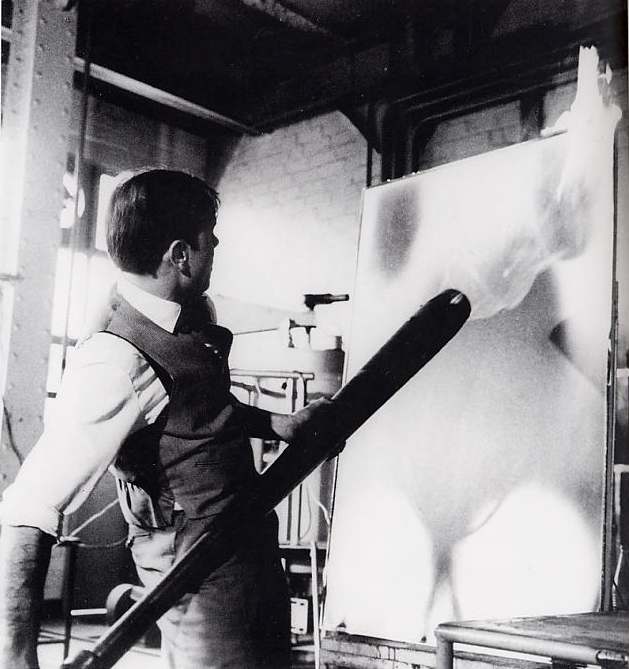


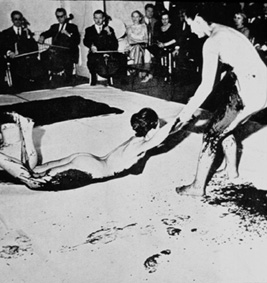

.jpg)




Friday, July 08, 2005
Dote
~
Neck-tickle leads
to palpable ear-
wig larva, softly
green—judging by
the fore-pincers—
one millimeter, long
reaching for you.
~
A fine drizzle
wets down every-
thing and one
notes the “inherently
geometric structure of
the landscape.” Cézanne
scrawls a letter:
The sun is
so startling it
makes it look
as if objects
could be lifted
off their outlines . . .
I put myself
into the hard
chalk perimeter of
a body sidewalk’d.
—Sun, lift me.
~
Harry Mathews pegged by a “sour-faced” French Communist agent (in My Life in CIA):
~
In the cellar
checking for leakage,
I spy a
fat black beetle
tussling with a
wadded up towel.
Lift it off
its outline, march
it a finger-
length, devastating is
its pinpoint shine.
~
House of the Hanged Man, Auvers-sur-Oise: where “yellow . . . compromised the future of Monsieur Cézanne.” Yellow of squash blossoms. Yellow of the constructivist brushstroke. Yellow of influenza. (See Cézanne’s implacable fear of le grapin, that someone’ld sway him, swallow him, get him in an “influential” grip.) Yellow of a shirt rarely worn. Yellow of bruise-fade and melancholy.
~
Who is Lito Latta of Savona, Italy, a maker of soap? A printer? Bad-ass book in a MoMA cabinet: F. T. Marinetti: Parole in libertà futuriste olfattive tattilli termiche (Roma, Edizioni Futuriste di Poesia, 1932 Stampa : Savona, Lito-Latta, 4 Novembre 1932-XI. A smug (and sly) muh’fuh’, emplacarding LITO LATTA in high-stylizables partout. Odd “sighting” and heel’d by Mathews recollections of the fascist thugs of ’seventies Paris, rue d’Assas (Law Faculty), a street one didn’t easily, long-hair’d, walk down.
~
“I know the Wire-Puller intimately”
Out slogging my Oxfords in ankle-
deep braid-rivulets of storm-wash,
the C-dog worrying the verge.
A. B. C. what a sumptuous
cladding for a take-off, for
take off we must. I am
plenty aware of not coming back
into my usual mawk and assessment,
though inching thataway by unreputable degrees.
Nobody can write code all her
Life—think I’d soonest skip mine.
~
Life with Perec:
Sorcière, sorcière,
Regards ton derrière.
~
’Morning
Sun-
dries and o
her o-
ther i-
tems teeming.
~
“unrequired roseate doodling”
or
“unrequited roseate doodling”
“A dish of puddles Hempstead, and a cigar, Sir.”
~
Somewhere Herodotus says: “There is
found in that desert a
kind of ant of great
size—bigger than a fox,
though not so big as
a dog. These creatures as
they burrow underground throw up
the sand in heaps, just
as our own ants throw
up the earth.” And elsewhere:
“There is no need for
me to describe the camel,
for Greeks are familiar with
what it looks like, one
thing, however, I will mention:
the camel in its hind
legs has four thighs and
four knees and its genitals
point backwards toward its tail.”
~
Apollinaire: “I don’t want to work. I want to smoke.”
~
Je m’en fous de travailler.
Neck-tickle leads
to palpable ear-
wig larva, softly
green—judging by
the fore-pincers—
one millimeter, long
reaching for you.
~
A fine drizzle
wets down every-
thing and one
notes the “inherently
geometric structure of
the landscape.” Cézanne
scrawls a letter:
The sun is
so startling it
makes it look
as if objects
could be lifted
off their outlines . . .
I put myself
into the hard
chalk perimeter of
a body sidewalk’d.
—Sun, lift me.
~
Harry Mathews pegged by a “sour-faced” French Communist agent (in My Life in CIA):

”Monsieur Matiouze is a member of something called the Ouvroir de Littérature Potentielle, or Oulipo. The Oulipo is a gang of cynical formalists. They claim to be materialist, but they utterly disregard the dialectic of history. Their materialism is nothing but a degraded manifestation of bourgeois idealism. Naturally the Oulipo is opposed to any kind of literature that puts itself at the service of historical progress, especially socialist realism. No Oulipian, and certainly not an American one, is a man whose opinions are worth listening to. Monsieur Matiouze, you are informed that you will no longer be welcome among us.”The Mathews reminding me of nothing so much as Jean Echenoz, quick, stylish, international, a spy caper. (Question use of “caper” in the context. It makes me think of Claudia Cardinale and David Niven and, as such, is misleading.)
~
In the cellar
checking for leakage,
I spy a
fat black beetle
tussling with a
wadded up towel.
Lift it off
its outline, march
it a finger-
length, devastating is
its pinpoint shine.
~
House of the Hanged Man, Auvers-sur-Oise: where “yellow . . . compromised the future of Monsieur Cézanne.” Yellow of squash blossoms. Yellow of the constructivist brushstroke. Yellow of influenza. (See Cézanne’s implacable fear of le grapin, that someone’ld sway him, swallow him, get him in an “influential” grip.) Yellow of a shirt rarely worn. Yellow of bruise-fade and melancholy.
~
Who is Lito Latta of Savona, Italy, a maker of soap? A printer? Bad-ass book in a MoMA cabinet: F. T. Marinetti: Parole in libertà futuriste olfattive tattilli termiche (Roma, Edizioni Futuriste di Poesia, 1932 Stampa : Savona, Lito-Latta, 4 Novembre 1932-XI. A smug (and sly) muh’fuh’, emplacarding LITO LATTA in high-stylizables partout. Odd “sighting” and heel’d by Mathews recollections of the fascist thugs of ’seventies Paris, rue d’Assas (Law Faculty), a street one didn’t easily, long-hair’d, walk down.
~
“I know the Wire-Puller intimately”
Out slogging my Oxfords in ankle-
deep braid-rivulets of storm-wash,
the C-dog worrying the verge.
A. B. C. what a sumptuous
cladding for a take-off, for
take off we must. I am
plenty aware of not coming back
into my usual mawk and assessment,
though inching thataway by unreputable degrees.
Nobody can write code all her
Life—think I’d soonest skip mine.
~
Life with Perec:
Wednesday I found a note from Georges in my mailbox: “Urgent. The victor of the nearby computational street summons you to return to the same fishy troop when a first point has been scored by his racket.” (Le vainqueur d’une rue à calcul voisine vous somme de rejoinder la même troupe poissonnière dès que sa raquette marquera le premier point.)~
. . .
I reread Georges’s message. He was a professional inventor of crossword puzzles, and these phrases sounded like crossword definitions; so I set to work solving them. My first clue came with “fishy troop”: that was what would ordinarily be called a school of fish. The French word for a school of fish is banc; and a banc is also a bench. If “the same fishy troop” translated as “the same bench,” it must mean the one where Georges and I had sat together a few days before. Then “the nearby computational street” was Rue de Fleurus: because calcul means not only computation but “stone” (as in kidney-stone); and Rue de Fleurus had been home to Gertrude Stone, aka Stein. (Later my Petit Larousse taught me that the battle of Fleurus was one of Marshal de Luxembourg’s greatest victories.) As for “a first point scored by his racket,” in tennis the first point is called as “fifteen”; and 15 hours is 3 P.M. by the twenty-four-hour clock.
Sorcière, sorcière,
Regards ton derrière.
~
’Morning
Sun-
dries and o
her o-
ther i-
tems teeming.
~
“unrequired roseate doodling”
or
“unrequited roseate doodling”
“A dish of puddles Hempstead, and a cigar, Sir.”
~
Somewhere Herodotus says: “There is
found in that desert a
kind of ant of great
size—bigger than a fox,
though not so big as
a dog. These creatures as
they burrow underground throw up
the sand in heaps, just
as our own ants throw
up the earth.” And elsewhere:
“There is no need for
me to describe the camel,
for Greeks are familiar with
what it looks like, one
thing, however, I will mention:
the camel in its hind
legs has four thighs and
four knees and its genitals
point backwards toward its tail.”
~
Apollinaire: “I don’t want to work. I want to smoke.”
~
Je m’en fous de travailler.
Thursday, June 30, 2005
Jamais
~
Off tomorrow for a week or so, points in the cluttery east, meaning the usual incognito namelessness of the shy man with a burden of books, a bookish man with a
shy binocular’d look, ordinary company to keep, unkempt, with songs for a far off songstress bare-audible under the city hum o. Meaning I doubt I’ll get to knocking
down any doors, or at any doors, or upturning any governmental Hummers in acts of state-mayhem, though the temptation nearing the corridors of the power-mad:
always big. Open’d a long unused file in my cabbage row, a file hid in a cabbage, something to bust out with, and found:
of things gone cloudy? Is it the way the night blooms up so seriously, recalling one to one’s own? Badass syntax takes me down. Cerberus nosing the dogfruit’d remains. I
hardly know what I mean, and now I’m ask’d to name the flowers? Uh, Echinacea subspecies, uh, widower’s cowlick, Joe Pye weed, pied type
clover, false-blooming ambergris, um, Ridick of Ridick’s Hall weed. I nosed in the newspaper’s fish-smell and found: “social conformity showed up in the brain as
activity in regions that are entirely devoted to perception.” Complete in points east rag. Meaning Keats is right: the chameleon poet, c’est nous tous et
toutes: “is everything and nothing—It has no character—it enjoys light and shade . . . What shocks the virtuous philosopher delights the chameleon poet . . . a
poet is the most unpoetical of anything in existence, because he has no Identity—he is continually in for and filling some other body.” Or John Keats is wrong, there is
no “unchangeable attribute,” one gapes out at the world through the lowest common denominator of one’s fellow low common denominator, all deceived and deceiving,
blaat: “The Sun, the Moon, the Sea, and men and women, who are creatures of impulse, are poetical, and have about them an unchangeable attribute; the poet has none, no
identity—he is certainly the most unpoetical of all God’s creatures.” Hang it all, Marguerite Duras, “To write is to attempt to know what we would write were we to
write.” And, finally, there is that story of Petronius, repeat’d in Vila-Matas:
Ne travaillez jamais.
Off tomorrow for a week or so, points in the cluttery east, meaning the usual incognito namelessness of the shy man with a burden of books, a bookish man with a
shy binocular’d look, ordinary company to keep, unkempt, with songs for a far off songstress bare-audible under the city hum o. Meaning I doubt I’ll get to knocking
down any doors, or at any doors, or upturning any governmental Hummers in acts of state-mayhem, though the temptation nearing the corridors of the power-mad:
always big. Open’d a long unused file in my cabbage row, a file hid in a cabbage, something to bust out with, and found:
The boyA perfect kind of send-off for Harry M. and me, hein? Is it the smelling like an old towel, the mildew’d effleurescene shiny surface
Mutters letters
Aloud, spelling
It out,
Whatever word
He’s stuck
With, something
To do
With secret
Agency between
States, that
Shit, it
Comes down
The pike
And pikers
Just out
Of college
Get suck’d
Off into
‘Intelligence opportunities.’
End up
Garrot’d in
Gabarone, or
Slightly angst-
Rid in
Newfangle’d Berlin.
of things gone cloudy? Is it the way the night blooms up so seriously, recalling one to one’s own? Badass syntax takes me down. Cerberus nosing the dogfruit’d remains. I
hardly know what I mean, and now I’m ask’d to name the flowers? Uh, Echinacea subspecies, uh, widower’s cowlick, Joe Pye weed, pied type
clover, false-blooming ambergris, um, Ridick of Ridick’s Hall weed. I nosed in the newspaper’s fish-smell and found: “social conformity showed up in the brain as
activity in regions that are entirely devoted to perception.” Complete in points east rag. Meaning Keats is right: the chameleon poet, c’est nous tous et
toutes: “is everything and nothing—It has no character—it enjoys light and shade . . . What shocks the virtuous philosopher delights the chameleon poet . . . a
poet is the most unpoetical of anything in existence, because he has no Identity—he is continually in for and filling some other body.” Or John Keats is wrong, there is
no “unchangeable attribute,” one gapes out at the world through the lowest common denominator of one’s fellow low common denominator, all deceived and deceiving,
blaat: “The Sun, the Moon, the Sea, and men and women, who are creatures of impulse, are poetical, and have about them an unchangeable attribute; the poet has none, no
identity—he is certainly the most unpoetical of all God’s creatures.” Hang it all, Marguerite Duras, “To write is to attempt to know what we would write were we to
write.” And, finally, there is that story of Petronius, repeat’d in Vila-Matas:
One day, at the age of thirty, Petronius decided to write down the tales prompted by his incursions into his city’s underworld. He filled sixteen books~
by his invention and when he had finished them, he read them aloud to Syrus, who laughed like crazy and clapped the whole time. Then Syrus and Petronius came up with
the plan of undertaking the adventures the latter had composed, of transferring them from parchment to reality. Petronius and Syrus dressed up and fled the city, took to
roaming the paths and living out the adventures written by Petronius, who gave up writing for good as soon as he started living out the life he had previously imagined.
Ne travaillez jamais.
Wednesday, June 29, 2005
The Lyrical I, the Lyre’s Sigh, and the Liar’s Eye
~
Big haul in the mail, The Poker, and new Flood Gilfillan, and Friedlander pamphlets, (joining the Gam, the new New American Writing, the
Szymaszek Emptied of All Ships) and my resolve (is it resolve?) to tarry a little, to stay the habit so easily glommed to, falters a little—whence all the
fleury fandango and rev anyhow? The urge to subvert th’expect’d up to the point of re-becoming (expect’d)? The urge to pitch a tent in a clearing and torch it at the
merest sign of a crowd? Hermit-talk. Baggy nonsense of the hermit cairn, a cunning lot. Gypsy-caravaner, trust nobody. Or something fiercer cutting the strings that
keep the puppet jerking—a sleeper in a cornfield, a chigger-bit kid lying under leaf-flicker, odd combo revery-stings. Beebalm in a far-off monastery, unreachable. What
would slew one around into the ever-exonerable quotidian. Isn’t that the definition of daily life—that it exonerates one’s existence, that it
welcomes one merely for acceding to its (terrifying) demands? Call it “Why I Must Return to the Lyrical I?” Yes, yes, yes, call it that. If I turn
away a minute (“where that horse is entering Bergdorf’s . . . terribly late” isn’t th’unstoppable literary tic a flaw in the ointment of saying? isn’t it a plosive in
the churchyard of sentiment? Avoidance chow? Yes, yes, call it that!)—if I turn away a minute, it’s to think something through, it’s to see onslaught without miff or
impermeable, without composure or “stance.” Truth is, I don’t know either. (Where is it writ: “I ‘eschew’ knowing”? Yes, yes, —oh stop that.) The noctambulist’s nightly
(I used to know a man who smoked a single solitary cigarette per diem, a post-prandial “nightly” he call’d it, smoked with huge discipline and utmost (though
skint) ritual. With such intensity it kibosh’d all talk. Alors: out into the pre-brew and avowel (is that word “avowal” or “arousal”?) of thunderstorm
recklessness, breezes mounting, rumble-ships and toss-galleons bucking riderless (like hearts, oh so like hearts!) Lightning bugs zing about crazy in the nether
grasses, and lightning drives its golden spikes into the severe distant promontory, point’dly and splaying. El doggo’s skittish, trotting and checking,
checking and trotting, a regular trapline runner. Borges on the poetic function: “the vehement and solitary practice of combining words that startle
whoever hears them.” Is “limpidness and trembling” what’s need’d nowadays in order to flee “the bellicose prestige of controversy?” Or that one’s “own dexterity may
cause him to spurn literature as a game that is too easy”? Ah, Vila-Matas, you are too nugatory for a nut like me. Monsieur Teste: “Monsieur Teste was not a
philosopher or anything like it. He was not even a man of letters. For this reason, he thought a lot. The more one writes, the less one thinks.” Morning. Sleepless
obeisance to the blood-drub of thinking, and rainwater—wet earth, big psalter—gushing in the eave-troughs, wicking up a conflagration, water-made. So the morning
head bobs loggily, swole up with unutterables, dull ache of carnal buffoonery in squelch mode: Here is my poem:
Why I Must Return to the Lyrical I
“(I’m Your) Hoochie Coochie Man,” “(I Got You) I Feel Good (Live),” “(I Love You) For Sentimental Reasons,” “(If Loving You Is Wrong) I Don't Want To Do Right,” “Am I
Wrong,” “I Pity the Fool (Live),” “I’d Rather Go Blind, I’d Still Choose You,” “I’d Write A Letter,” “I Can’t Stop,” “I Believe,” “I’ll Always Be In Love With
You,” “I’ll Be Around,” “I’ll Be Doggone,” “I’ll Be Glad When You’re Dead, You Rascal You,” “I’ll Be Your Baby Tonight,” “I’ll Change My Style,” “I Was A
Fool,” “I’ll Come Back Someday,” “I’ll Get Along Somehow,” “I’ll Take Care Of You,” “I’ll Understand,” “I’ll Wait for You,” “I’m A Love You,” “I’m About To Lose
My Mind,” “I’m Back,” “I’m Bad Like Jesse James,” “I’m Creepin’,” “I’m Drifting,” “I’m From Mississippi,” “I Want To Groove With You,” “I’m Gonna Be A
Wheel Some Day,” “I’m Hanging Up My Heart For You,” “I’m In Love Again,” “I’m In The Mood,” “I’m Into Something Good,” “I’m King,” “I’m Leaving Chicago,” “I’m Mr.
Luck,” “I’m Not Ashamed,” “I’m Not Ashamed,” “I’m On Fire,” “I’m Ready,” “I’m So Glad,” “I’m So Proud,” “I’m Still In Love With You,” “I’m Walkin’,” “I’ve Been Buked
& Scorned,” “I’ve Been Thinkin’ Bout You,” “I Can’t Stop,” “I’ve Been Waitin’ On You,” “I’ve Been Wrong So Long,” “I’ve Been Your Doggie Since I Been Your
Man,” “I’ve Fallen In Love With You,” “I’ve Got To Forget You,” “I’ve Got To Use My Imagination,” “I Ain’t Gonna Be Your Monkey Man,” “I Ain’t Got You,” “I Always Get
My Man,” “I Am A Lonesome Hobo,” “I Believe In You,” “I Believe In You,” “I Brought The Rain,” “I Can’t Hear a Word You Say,” “I Can’t Help It,” “I Can’t Help Myself
(Sugar Pie, Honey Bunch),” “I Can’t Hold Out,” “I Can’t Love You Enough,” “I Can’t Put You Down Baby,” “I Can’t Stand Myself (When You Touch Me),” “I Can’t
Stand Myself (When You Touch Me), Pts. 1 & 2,” “I Can’t Stop,” “I Can’t Understand,” “I Can See Everybody’s Baby,” “I Could Deal With It,” “I Cried A
Tear,” “I Cry And Sing The Blues,” “I Didn’t Mean To Hurt Your Feelings,” “I Don’t Believe,” “I Don’t Believe You,” “I Don’t Believe You (She Acts Like We Never Have
Met),” “I Don’t Know,” “I Don’t Want No Woman,” “I Don’t Want Nobody To Give Me Nothing,” “I Dreamed I Saw St. Augustine,” “I Envy The Wind,” “I Found A True
Love,” “I Get So Weary,” “I Got A Strange Feeling,” “I Was Walking Through The Woods,” “I Got It,” “I Got Love If You Want It,” “I Got The Blues,” “I Got The Blues
Again,” “I Got The Feelin’,” “I Got The Feeling,” “I Got The Feeling (Reprise),” “I Got The Will,” “I Got What It Takes,” “I Got You (I Feel Good),” “I Gotta Have
You,” “I Gotta Keep On Moving,” “I Gotta Try You Girl,” “I Guess I’ll Have To Cry, Cry, Cry,” “I Had A Dream,” “I Hate To See You Go,” “I Heard Somebody Call,” “I Just
Want To Make Love To You,” “I Just Want To Make Love To You—Born To Be Wild,” “I Know,” “I Learned My Lesson,” “I Live The Life I Love,” “I Lost It,” “I Lost Sight
Of The World,” “I Miss You Baby,” “I Need Some Money,” “I Need You So,” “I Never Loved A Man (The Way I Love You) (Live),” “I Owe You One,” “I Pity The Fool,” “I
Pity The Poor Immigrant,” “I Say A Little Prayer,” “I Shall Be Free No. 10,” “I Shall Be Released,” “I Shall Be Released (Live),” “I Smell Trouble,” “I Smell
Trouble,” “I Thought I Heard Buddy Bolden Say,” “I Waited Too Long,” “I Walk On Guilded Splinters,” “I Walked Away,” “I Wanna Be,” “I Wanna Do More,” “I Want A
Little Girl,” “I Want To Be Your Spy,” “I Want To Groove With You,” “I Want To Shout About It,” “I Want To Ta-Ta You, Baby,” “I Want You,” “I Was Fooled,” “I Was Made
To Love Her,” “I Wish I Knew (How It Would Feel To Be Free),” “I Wish You Could See Me Now,” “I Wonder,” “I Work Up Screaming,” “I’d Rather Go Blind,” “I’ll Come
Running Back to You,” “I Believe In You”
~
To work.
Big haul in the mail, The Poker, and new Flood Gilfillan, and Friedlander pamphlets, (joining the Gam, the new New American Writing, the
Szymaszek Emptied of All Ships) and my resolve (is it resolve?) to tarry a little, to stay the habit so easily glommed to, falters a little—whence all the
fleury fandango and rev anyhow? The urge to subvert th’expect’d up to the point of re-becoming (expect’d)? The urge to pitch a tent in a clearing and torch it at the
merest sign of a crowd? Hermit-talk. Baggy nonsense of the hermit cairn, a cunning lot. Gypsy-caravaner, trust nobody. Or something fiercer cutting the strings that
keep the puppet jerking—a sleeper in a cornfield, a chigger-bit kid lying under leaf-flicker, odd combo revery-stings. Beebalm in a far-off monastery, unreachable. What
would slew one around into the ever-exonerable quotidian. Isn’t that the definition of daily life—that it exonerates one’s existence, that it
welcomes one merely for acceding to its (terrifying) demands? Call it “Why I Must Return to the Lyrical I?” Yes, yes, yes, call it that. If I turn
away a minute (“where that horse is entering Bergdorf’s . . . terribly late” isn’t th’unstoppable literary tic a flaw in the ointment of saying? isn’t it a plosive in
the churchyard of sentiment? Avoidance chow? Yes, yes, call it that!)—if I turn away a minute, it’s to think something through, it’s to see onslaught without miff or
impermeable, without composure or “stance.” Truth is, I don’t know either. (Where is it writ: “I ‘eschew’ knowing”? Yes, yes, —oh stop that.) The noctambulist’s nightly
(I used to know a man who smoked a single solitary cigarette per diem, a post-prandial “nightly” he call’d it, smoked with huge discipline and utmost (though
skint) ritual. With such intensity it kibosh’d all talk. Alors: out into the pre-brew and avowel (is that word “avowal” or “arousal”?) of thunderstorm
recklessness, breezes mounting, rumble-ships and toss-galleons bucking riderless (like hearts, oh so like hearts!) Lightning bugs zing about crazy in the nether
grasses, and lightning drives its golden spikes into the severe distant promontory, point’dly and splaying. El doggo’s skittish, trotting and checking,
checking and trotting, a regular trapline runner. Borges on the poetic function: “the vehement and solitary practice of combining words that startle
whoever hears them.” Is “limpidness and trembling” what’s need’d nowadays in order to flee “the bellicose prestige of controversy?” Or that one’s “own dexterity may
cause him to spurn literature as a game that is too easy”? Ah, Vila-Matas, you are too nugatory for a nut like me. Monsieur Teste: “Monsieur Teste was not a
philosopher or anything like it. He was not even a man of letters. For this reason, he thought a lot. The more one writes, the less one thinks.” Morning. Sleepless
obeisance to the blood-drub of thinking, and rainwater—wet earth, big psalter—gushing in the eave-troughs, wicking up a conflagration, water-made. So the morning
head bobs loggily, swole up with unutterables, dull ache of carnal buffoonery in squelch mode: Here is my poem:
Why I Must Return to the Lyrical I
“(I’m Your) Hoochie Coochie Man,” “(I Got You) I Feel Good (Live),” “(I Love You) For Sentimental Reasons,” “(If Loving You Is Wrong) I Don't Want To Do Right,” “Am I
Wrong,” “I Pity the Fool (Live),” “I’d Rather Go Blind, I’d Still Choose You,” “I’d Write A Letter,” “I Can’t Stop,” “I Believe,” “I’ll Always Be In Love With
You,” “I’ll Be Around,” “I’ll Be Doggone,” “I’ll Be Glad When You’re Dead, You Rascal You,” “I’ll Be Your Baby Tonight,” “I’ll Change My Style,” “I Was A
Fool,” “I’ll Come Back Someday,” “I’ll Get Along Somehow,” “I’ll Take Care Of You,” “I’ll Understand,” “I’ll Wait for You,” “I’m A Love You,” “I’m About To Lose
My Mind,” “I’m Back,” “I’m Bad Like Jesse James,” “I’m Creepin’,” “I’m Drifting,” “I’m From Mississippi,” “I Want To Groove With You,” “I’m Gonna Be A
Wheel Some Day,” “I’m Hanging Up My Heart For You,” “I’m In Love Again,” “I’m In The Mood,” “I’m Into Something Good,” “I’m King,” “I’m Leaving Chicago,” “I’m Mr.
Luck,” “I’m Not Ashamed,” “I’m Not Ashamed,” “I’m On Fire,” “I’m Ready,” “I’m So Glad,” “I’m So Proud,” “I’m Still In Love With You,” “I’m Walkin’,” “I’ve Been Buked
& Scorned,” “I’ve Been Thinkin’ Bout You,” “I Can’t Stop,” “I’ve Been Waitin’ On You,” “I’ve Been Wrong So Long,” “I’ve Been Your Doggie Since I Been Your
Man,” “I’ve Fallen In Love With You,” “I’ve Got To Forget You,” “I’ve Got To Use My Imagination,” “I Ain’t Gonna Be Your Monkey Man,” “I Ain’t Got You,” “I Always Get
My Man,” “I Am A Lonesome Hobo,” “I Believe In You,” “I Believe In You,” “I Brought The Rain,” “I Can’t Hear a Word You Say,” “I Can’t Help It,” “I Can’t Help Myself
(Sugar Pie, Honey Bunch),” “I Can’t Hold Out,” “I Can’t Love You Enough,” “I Can’t Put You Down Baby,” “I Can’t Stand Myself (When You Touch Me),” “I Can’t
Stand Myself (When You Touch Me), Pts. 1 & 2,” “I Can’t Stop,” “I Can’t Understand,” “I Can See Everybody’s Baby,” “I Could Deal With It,” “I Cried A
Tear,” “I Cry And Sing The Blues,” “I Didn’t Mean To Hurt Your Feelings,” “I Don’t Believe,” “I Don’t Believe You,” “I Don’t Believe You (She Acts Like We Never Have
Met),” “I Don’t Know,” “I Don’t Want No Woman,” “I Don’t Want Nobody To Give Me Nothing,” “I Dreamed I Saw St. Augustine,” “I Envy The Wind,” “I Found A True
Love,” “I Get So Weary,” “I Got A Strange Feeling,” “I Was Walking Through The Woods,” “I Got It,” “I Got Love If You Want It,” “I Got The Blues,” “I Got The Blues
Again,” “I Got The Feelin’,” “I Got The Feeling,” “I Got The Feeling (Reprise),” “I Got The Will,” “I Got What It Takes,” “I Got You (I Feel Good),” “I Gotta Have
You,” “I Gotta Keep On Moving,” “I Gotta Try You Girl,” “I Guess I’ll Have To Cry, Cry, Cry,” “I Had A Dream,” “I Hate To See You Go,” “I Heard Somebody Call,” “I Just
Want To Make Love To You,” “I Just Want To Make Love To You—Born To Be Wild,” “I Know,” “I Learned My Lesson,” “I Live The Life I Love,” “I Lost It,” “I Lost Sight
Of The World,” “I Miss You Baby,” “I Need Some Money,” “I Need You So,” “I Never Loved A Man (The Way I Love You) (Live),” “I Owe You One,” “I Pity The Fool,” “I
Pity The Poor Immigrant,” “I Say A Little Prayer,” “I Shall Be Free No. 10,” “I Shall Be Released,” “I Shall Be Released (Live),” “I Smell Trouble,” “I Smell
Trouble,” “I Thought I Heard Buddy Bolden Say,” “I Waited Too Long,” “I Walk On Guilded Splinters,” “I Walked Away,” “I Wanna Be,” “I Wanna Do More,” “I Want A
Little Girl,” “I Want To Be Your Spy,” “I Want To Groove With You,” “I Want To Shout About It,” “I Want To Ta-Ta You, Baby,” “I Want You,” “I Was Fooled,” “I Was Made
To Love Her,” “I Wish I Knew (How It Would Feel To Be Free),” “I Wish You Could See Me Now,” “I Wonder,” “I Work Up Screaming,” “I’d Rather Go Blind,” “I’ll Come
Running Back to You,” “I Believe In You”
~
To work.
Tuesday, June 28, 2005
Keep Fallin’ (On My Head)
~
Here’s a feller I identify with: Tithonus. Got the P. D. G. Zeus-monsieur to hand him down a jangling bunch of keys, immortality-style, and forgot to ask for
the “Forever Young” number. Caught the dewy-fresh girl at the roadhouse, sympatique and blowsy, made a keen-edged double blade of a couple. Only
she’s interminably dewy-fresh—he feebles out like a bug, some desiccant exoskeletal knee-sawer. So she puts him in a tiny Hotel, where he chatters away endlessly, with
barely any strength left to move. (See the new Sapphic tag, unwrapt out a mummy’s rags.) So the days multiply, caught here in the devil’s windpipe, where winds hoot
hot choruses of sulfuric rabblement, and a colossal elephant is chain’d to the fire-plug. Stuff’d, sitting, and goo-goo-eye’d: there’s a feller I identify with. Kinship
with th’animal world is “how I got ovah”—riding a siskin up into the ridge-heights of a bristlecone pine, exactly four thousand and nine hundred years ago. Flying at
growth-speed. I’m being fatuous, of ocursse. Off course. There’s a word I like: “cussing.” Relationship to “nub” or “chum” or “nudge” unexamined. So’s you
think highly of me, even whilst I drudge in the soft u sounds, the blunt fucks, I’ll admit I also love “linen” and “rinse” and “cringe” and “syringe.” Of the
hoity-toit hoi polloi, moi. Gosh, here I am doing sixty things at a go. So, plunging out into the dogstar-fiery night-furnace, staggering with the C-dog plod-
trot, its flags adroop—humidity quotient charging the air, a semi-foul mood, up-start, un-mollifiable, rising up to meet it. The twin catalpas bare of flower now,
all the sexy spraddle-mouth ungovernables that lapped at lawn and grass, turn’d brown and tumorescent in the heat. An inky cap’s longevity is three to five days,
ungather’d it leaves a greasy smear on th’earth, untrouble’d, tar-shiny. Gather’d it’ll funk up an omlet good. Look for patches after rains, drab khaki-colour’d
colonies sprongifying up where tree stumps rot in civil yards. Elms, ash. Down the second turn two bulks emerge, exiting a house-bulk, nearing a car-bulk. Voice in the
water-drench’d air carrying limpid and unjostle’d by breeze-waver. At the car-door: “You mean that key’s not it.” A loathing-ripe negative rips out. And a high-
sibilant Jeezzizz, Jesus weild’d as lethal cutlery, a switchblade Jesus. Every word swimming out for you. To you. “My name is Pitch; I stick to what I say.”
Juan Benet: “Whoever needs to smoke in order to write must either imitate Bogart and have smoke curling around their eye (which leads to a rugged style), or else accept
that the ashtray is going to consume most of the cigarette.” Who is the Professor John Banville talks about, the one who says: “Prague . . . has the rhythm of slow,
endless mastication (like that of Gregor Samsa in The Metamorphosis for hours on end, a catatonia from which it at time awakes with a burst of energy that
immediately dies down . . . eternally pouting city.” Out in the night, the fleury snoot-fulls, the cloy-hammer of some unidentifiable perfume, dogs dog and I. I long
for a sparky heap-smell of steel-filings, ironwork and Rustoleum, the dodgy nasalic sear of ozone gone haywire, aimless electrical discharge. Not that stanky tuberose.
In an epickal twist, the epoch’s slurry’ll come down along the pipeline, every jot and tittle of it, savory to burst. Or great odiferous wallops thudding against, say,
the taut-stretch of the silk parapluie. Revel! And distend! Unhinge the doors! Hang up your hats— cette fois, and mightily, hell’s going through
us! Look, gushers, set one unshod foot in the new century, set one (in a clown’s balloon shoe) in the old century, and pee mightily at the seam! Time’s a breakaway
republic. And we here in thongs and bobbie-socks’ll cheer each parcel and peck of its undeniablity, each hush and contusion. Each ramp’d up little spittle-flower in
the long grass clinging.
~
To work.
Here’s a feller I identify with: Tithonus. Got the P. D. G. Zeus-monsieur to hand him down a jangling bunch of keys, immortality-style, and forgot to ask for
the “Forever Young” number. Caught the dewy-fresh girl at the roadhouse, sympatique and blowsy, made a keen-edged double blade of a couple. Only
she’s interminably dewy-fresh—he feebles out like a bug, some desiccant exoskeletal knee-sawer. So she puts him in a tiny Hotel, where he chatters away endlessly, with
barely any strength left to move. (See the new Sapphic tag, unwrapt out a mummy’s rags.) So the days multiply, caught here in the devil’s windpipe, where winds hoot
hot choruses of sulfuric rabblement, and a colossal elephant is chain’d to the fire-plug. Stuff’d, sitting, and goo-goo-eye’d: there’s a feller I identify with. Kinship
with th’animal world is “how I got ovah”—riding a siskin up into the ridge-heights of a bristlecone pine, exactly four thousand and nine hundred years ago. Flying at
growth-speed. I’m being fatuous, of ocursse. Off course. There’s a word I like: “cussing.” Relationship to “nub” or “chum” or “nudge” unexamined. So’s you
think highly of me, even whilst I drudge in the soft u sounds, the blunt fucks, I’ll admit I also love “linen” and “rinse” and “cringe” and “syringe.” Of the
hoity-toit hoi polloi, moi. Gosh, here I am doing sixty things at a go. So, plunging out into the dogstar-fiery night-furnace, staggering with the C-dog plod-
trot, its flags adroop—humidity quotient charging the air, a semi-foul mood, up-start, un-mollifiable, rising up to meet it. The twin catalpas bare of flower now,
all the sexy spraddle-mouth ungovernables that lapped at lawn and grass, turn’d brown and tumorescent in the heat. An inky cap’s longevity is three to five days,
ungather’d it leaves a greasy smear on th’earth, untrouble’d, tar-shiny. Gather’d it’ll funk up an omlet good. Look for patches after rains, drab khaki-colour’d
colonies sprongifying up where tree stumps rot in civil yards. Elms, ash. Down the second turn two bulks emerge, exiting a house-bulk, nearing a car-bulk. Voice in the
water-drench’d air carrying limpid and unjostle’d by breeze-waver. At the car-door: “You mean that key’s not it.” A loathing-ripe negative rips out. And a high-
sibilant Jeezzizz, Jesus weild’d as lethal cutlery, a switchblade Jesus. Every word swimming out for you. To you. “My name is Pitch; I stick to what I say.”
Juan Benet: “Whoever needs to smoke in order to write must either imitate Bogart and have smoke curling around their eye (which leads to a rugged style), or else accept
that the ashtray is going to consume most of the cigarette.” Who is the Professor John Banville talks about, the one who says: “Prague . . . has the rhythm of slow,
endless mastication (like that of Gregor Samsa in The Metamorphosis for hours on end, a catatonia from which it at time awakes with a burst of energy that
immediately dies down . . . eternally pouting city.” Out in the night, the fleury snoot-fulls, the cloy-hammer of some unidentifiable perfume, dogs dog and I. I long
for a sparky heap-smell of steel-filings, ironwork and Rustoleum, the dodgy nasalic sear of ozone gone haywire, aimless electrical discharge. Not that stanky tuberose.
In an epickal twist, the epoch’s slurry’ll come down along the pipeline, every jot and tittle of it, savory to burst. Or great odiferous wallops thudding against, say,
the taut-stretch of the silk parapluie. Revel! And distend! Unhinge the doors! Hang up your hats— cette fois, and mightily, hell’s going through
us! Look, gushers, set one unshod foot in the new century, set one (in a clown’s balloon shoe) in the old century, and pee mightily at the seam! Time’s a breakaway
republic. And we here in thongs and bobbie-socks’ll cheer each parcel and peck of its undeniablity, each hush and contusion. Each ramp’d up little spittle-flower in
the long grass clinging.
~
To work.
Monday, June 27, 2005
Quotidian, Brew
~
Think I is wont to continue flailing, th’earnest perusements of books’ll wait. “Maybe it’s just melodramatic stuff.” A sentence I wrote yesterday. Another
spoke of something’s being “autobiographical sounding”—I could’ve point’d it into th’oceanic, I could’ve made “depth-charge” a metaphor for something. I
wrote “intensity, a live coal”—I did not use the word “scarred.” Borderline preciosity, wouldn’t you say? No worry. Hiatus coming up before the weekend, honest
engine. One where the Vibe jolts the road-ruts, the reveries toss’d off with the mileage charts, long ticker-tape stream of impossibles trailing out behind. Harry
Mathews’ll come avec, The Confidence Man‘ll come avec, three hombres caballeros slipping side-saddle into Long Island Sound, or
Rockville Center, and back out, three scurrilous grins stretching out to form one tremendous (scurrilous) grin across three weather-bark’d and bronze physiogs.
That’ll be my hiatus, a hat-trick. Trading stories of how Plato says Socrates “suddenly comes to a halt and stands there,” or how Xenophon says
Socrates “wore the same coat in all seasons . . . walked barefoot on the ice and on the earth warmed by the Greek sun, he danced and jumped frequently on his own, with
no motive, as if on a whim,” or how “Zeno the Epicurean nicknamed him ‘the Attic buffoon.’” Trading stories of the Kum & Go, and the sixty-nine cent guzzlers, or the
way change slips down over a man’s head like a noose, or comes up with leaf-dangle and flap like a pressure-drop’d T-storm. Vila-Matas: “Sometimes one stops writing
because one simply falls into a state of madness from which one never recovers.” Marguerite Duras: “To write is also not to speak . . . It is to howl noiselessly.”
Picchio, on not writing: “Experimental laziness. Post-human sloth. Time out for beastliness.” Bobi Bazlen, author of Note sensa testo (Notes Without a
Text), 1970: “I believe it is no longer possible to write books. That is why I no longer write books. Virtually all books are no more than footnotes, inflated until
they become volumes.” And Baudelaire, the magnificent high-cranially domed Charles: “the real hero is he who keeps himself amused.” All that is just some of
what les mecs et moi‘ll excorticate about on th’upcoming journey, shoes fill’d with chives, pockets with chervil, saddlebags with cloves. Nothing like a
horse’s ass solidly behind you to get you yakking, hein, Geoffrey? A kind of dereliction of duty, the con, yoicks and insupportable sassiness emissaries of
nowhere, of that these new literary movements come about. See Robbe-Grillet expending twenty-five pages depicting a comb and brush set. See the dissipant Francophile Mr.
Dowson, of whom it is writ: “Late nights and excessive drinking impaired a constitution already threatened by tuberculosis.” How hard we aim’d our alexandrines
(and benzadrines!) at such a mark, how lengthily we fell short, wholly embourbon’d and still, regretfully, kicking. Madder music, hah! (And just saying that, I see the
dress I sport’d then, the Hagen hand-me-down.) Repeat after me: “I would not alter thy cold eyes.” “I would not alter thy cold eyes.” I, too, after Keats, long to
become “a sort of Pip-civilian,” a scuffler against governmental bumpf of any kind, cherry-stone to knowing, practical, daft, yellow’d, disputatious, vex’d. I used to
imagine that one day I’d write myself through some plug-vanity, through dispersal-excursion, through cursory fundament gazing,
through material mayhem, and hit a clear patch, virginally attired, a truth-fierce gauntlet one could simply stride along, carrying one’s falcon hood’d on ’s
leather'd fist. Is that what aging offers? Think of de Kooning’s late paring down—waves and blocks, the ferocity and grimace gone, think of that Keats thing
“. . .Whose Name Was Writ in Water”—is that breakthrough or fatigue, muddy? Think of Beckett’s shorn little fizzles. What if one “took” aging with idiocy and overflow,
jism-splash and holler, spanking the big slap-around with addled glee? O “How like a younker or a prodigal / The scarfed bark puts from her native bay, / Hugged and
embraced by the strumpet wind! / How like the prodigal doth she return, / With over-weathered ribs and ragged sails, / Lean, rent, and beggared by the strumpet wind!”
The “strumpet wind” is constant, and we th’adaptable fearsome yonkers? Preciosity of the brainpan curdling everything into sign and mentor. “I am the least
definable of men! Boundless, discursive, counter-empirical, itchy, and un-Roman!” So I send out my runners, advance-men, freely. One report:
“The birds near the road on a rather sizable berm, the females actively foraging along the side of the berm and perching on the fence.” Dickcissel talk, it comes
down the airwaves, inhabits me freely. LaVern Baker, you come too! Nadeshda M., toi aussi! Signing up caballeros, my innocents. Riding out for the final
dustoff. You, I want that word nub, it makes my legs wobble with pleasure. Silk nubbs. Knob or protuberance. Nub of coal. “The nub of a story is the point or
gist of it.” Aye, to flop with ye against a piece of dingy ticking full of lumps and nubbles . . . I love that word, nub. In exchange: two levres, hare-
brain’d receptors, moue recidivists. Deal? And “one” can tell here exactly how one whole swath of painting’s got gesso’d out, the grand gesture extirpated for
another “work.” How, now, two littler stories remain, free to “make use” of the “white space” betwixt them, sitting catty-cornerdly, books in laps. Period of
measuring the heart, a dendrochronologist’s chore, a boring out, a piercing, a sample, a succession of annulars. Fossicking the lap-books in search of an erotics
of citation, how two writers rub a vernal succulence up out of hex-arousal, a witch-brew contingency, mutual exploratory, letter-fetish. Greil Marcus: “S. is a cold
writer . . . S. often seems to write to close subjects, not to open them . . . to have both the first and the last word.” (Sounds like?) Vila-Matas: “it suddenly
occurred to me that in fact more than ninety-nine per cent of humanity prefer . . . not to write.” Marcel Duchamp, ask’d why he stopped painting, told Naum Gabo: “What do
you expect, old fart, I’ve completely run out of ideas.” And Mark Twain, con extraordinary put it: “When the nub was sprung, the assemblage let go with a horse-laugh.”
~
To work.
Think I is wont to continue flailing, th’earnest perusements of books’ll wait. “Maybe it’s just melodramatic stuff.” A sentence I wrote yesterday. Another
spoke of something’s being “autobiographical sounding”—I could’ve point’d it into th’oceanic, I could’ve made “depth-charge” a metaphor for something. I
wrote “intensity, a live coal”—I did not use the word “scarred.” Borderline preciosity, wouldn’t you say? No worry. Hiatus coming up before the weekend, honest
engine. One where the Vibe jolts the road-ruts, the reveries toss’d off with the mileage charts, long ticker-tape stream of impossibles trailing out behind. Harry
Mathews’ll come avec, The Confidence Man‘ll come avec, three hombres caballeros slipping side-saddle into Long Island Sound, or
Rockville Center, and back out, three scurrilous grins stretching out to form one tremendous (scurrilous) grin across three weather-bark’d and bronze physiogs.
That’ll be my hiatus, a hat-trick. Trading stories of how Plato says Socrates “suddenly comes to a halt and stands there,” or how Xenophon says
Socrates “wore the same coat in all seasons . . . walked barefoot on the ice and on the earth warmed by the Greek sun, he danced and jumped frequently on his own, with
no motive, as if on a whim,” or how “Zeno the Epicurean nicknamed him ‘the Attic buffoon.’” Trading stories of the Kum & Go, and the sixty-nine cent guzzlers, or the
way change slips down over a man’s head like a noose, or comes up with leaf-dangle and flap like a pressure-drop’d T-storm. Vila-Matas: “Sometimes one stops writing
because one simply falls into a state of madness from which one never recovers.” Marguerite Duras: “To write is also not to speak . . . It is to howl noiselessly.”
Picchio, on not writing: “Experimental laziness. Post-human sloth. Time out for beastliness.” Bobi Bazlen, author of Note sensa testo (Notes Without a
Text), 1970: “I believe it is no longer possible to write books. That is why I no longer write books. Virtually all books are no more than footnotes, inflated until
they become volumes.” And Baudelaire, the magnificent high-cranially domed Charles: “the real hero is he who keeps himself amused.” All that is just some of
what les mecs et moi‘ll excorticate about on th’upcoming journey, shoes fill’d with chives, pockets with chervil, saddlebags with cloves. Nothing like a
horse’s ass solidly behind you to get you yakking, hein, Geoffrey? A kind of dereliction of duty, the con, yoicks and insupportable sassiness emissaries of
nowhere, of that these new literary movements come about. See Robbe-Grillet expending twenty-five pages depicting a comb and brush set. See the dissipant Francophile Mr.
Dowson, of whom it is writ: “Late nights and excessive drinking impaired a constitution already threatened by tuberculosis.” How hard we aim’d our alexandrines
(and benzadrines!) at such a mark, how lengthily we fell short, wholly embourbon’d and still, regretfully, kicking. Madder music, hah! (And just saying that, I see the
dress I sport’d then, the Hagen hand-me-down.) Repeat after me: “I would not alter thy cold eyes.” “I would not alter thy cold eyes.” I, too, after Keats, long to
become “a sort of Pip-civilian,” a scuffler against governmental bumpf of any kind, cherry-stone to knowing, practical, daft, yellow’d, disputatious, vex’d. I used to
imagine that one day I’d write myself through some plug-vanity, through dispersal-excursion, through cursory fundament gazing,
through material mayhem, and hit a clear patch, virginally attired, a truth-fierce gauntlet one could simply stride along, carrying one’s falcon hood’d on ’s
leather'd fist. Is that what aging offers? Think of de Kooning’s late paring down—waves and blocks, the ferocity and grimace gone, think of that Keats thing
“. . .Whose Name Was Writ in Water”—is that breakthrough or fatigue, muddy? Think of Beckett’s shorn little fizzles. What if one “took” aging with idiocy and overflow,
jism-splash and holler, spanking the big slap-around with addled glee? O “How like a younker or a prodigal / The scarfed bark puts from her native bay, / Hugged and
embraced by the strumpet wind! / How like the prodigal doth she return, / With over-weathered ribs and ragged sails, / Lean, rent, and beggared by the strumpet wind!”
The “strumpet wind” is constant, and we th’adaptable fearsome yonkers? Preciosity of the brainpan curdling everything into sign and mentor. “I am the least
definable of men! Boundless, discursive, counter-empirical, itchy, and un-Roman!” So I send out my runners, advance-men, freely. One report:
“The birds near the road on a rather sizable berm, the females actively foraging along the side of the berm and perching on the fence.” Dickcissel talk, it comes
down the airwaves, inhabits me freely. LaVern Baker, you come too! Nadeshda M., toi aussi! Signing up caballeros, my innocents. Riding out for the final
dustoff. You, I want that word nub, it makes my legs wobble with pleasure. Silk nubbs. Knob or protuberance. Nub of coal. “The nub of a story is the point or
gist of it.” Aye, to flop with ye against a piece of dingy ticking full of lumps and nubbles . . . I love that word, nub. In exchange: two levres, hare-
brain’d receptors, moue recidivists. Deal? And “one” can tell here exactly how one whole swath of painting’s got gesso’d out, the grand gesture extirpated for
another “work.” How, now, two littler stories remain, free to “make use” of the “white space” betwixt them, sitting catty-cornerdly, books in laps. Period of
measuring the heart, a dendrochronologist’s chore, a boring out, a piercing, a sample, a succession of annulars. Fossicking the lap-books in search of an erotics
of citation, how two writers rub a vernal succulence up out of hex-arousal, a witch-brew contingency, mutual exploratory, letter-fetish. Greil Marcus: “S. is a cold
writer . . . S. often seems to write to close subjects, not to open them . . . to have both the first and the last word.” (Sounds like?) Vila-Matas: “it suddenly
occurred to me that in fact more than ninety-nine per cent of humanity prefer . . . not to write.” Marcel Duchamp, ask’d why he stopped painting, told Naum Gabo: “What do
you expect, old fart, I’ve completely run out of ideas.” And Mark Twain, con extraordinary put it: “When the nub was sprung, the assemblage let go with a horse-laugh.”
~
To work.
Friday, June 24, 2005
Under the Bridge
~
Pages accumulate, great sapient arrivals by mail, industry panning out in stacks, squared off, diabolically correct, containers for the scuffle and brush, language
beating its little empty heart out like a tom-tom. My dog croons sleeping, dream-jittery. Who recalls Plastique Bertrand, isn’t “French punk” oxymoronic, je suis
croonaire? To note that a Madame Blognard inhabits one of Jacques Roubaud’s Hortense novels. To note how Freon-loss drove me out into the post-prandial swelter
and drench to buy a genuine Frigidaire, what my father’s mother, a Witkop after being a Latta, call’d a frigidaire. Brand naming gone to generic parlor-talk. Get me
a Kleenex. Any booze hereabouts? Could you read the Ashbery I just wrote? To note the conspiratorial catch in the throat of my vanity, the fifty retainer years I
hired out to prop up the current one. To note—oh, surely, readers, under the lantern-lit greatcoats you huddle in, hounds to my hounding, you mash figs against my making
myself visible, in heat’d and pardonable readiness. Yah! Pfft! Splat! A fig for the king! And sizzling down out of some neural bunker: an image of a St. Vitus’d hippie,
dirty, blonde, bespectacle’d, in Ithaca, a semi-regular at the Royal Palm Tavern. He’d cough out a loud “muy caliente” with a little squawk-leap
accompanying, and bob away, up and down, mechanickal hinge-work of knees and elbows, circling agape some unseen agon-wisp, love-terror-eye’d and magnificent like a
stork. He’d calm and talk, tiny stutters, a minute or two, and caliente, blaaat!, off he’d spin. “Heart that was big as the bowels of Vesuvius,” is how the
clumsy uncle Mr. Browning puts it, he who Pound call’d “Old Hippety-Hop o’ the accents.” Hands up. Who reads Browning? Just, umm, nobody? I’d’ve wager’d
fewer than that. Okay. Next question. The D. H. Lawrence / Robert Creeley resemblance? Something not altogether “sweet” about the browline? Okay. Just a
hunch. Or not a hunch, a propitious foamy wish! A Faustian blood-draw, a cut! And, out of th’exclamatory restlessness, el doggo walk’d, I’m off to read the
Zimmerman, who says of the old roving ballads: “You could exhaust all the combinations of your vocabulary without having to learn any vocabulary. Lyrically
they worked on some kind of supernatural level . . .” (Later he’ll talk about bluesman Robert Johnson—“sprung from the head of Zeus in full armor”—singing about
milk turning blue. Milk. Turning. Blue. And about harpist Sonny Boy Williamson remarking on Dylan’s harmonica playing: “Boy, you play too fast.” Probably
enunciated in that velvety-finicky way, precise with a hint of rollick and tease—that’s the Sonny Boy way.) Dylan drawing: “like I was putting an orderliness to the
chaos around . . . it purified the experience of my eye.” Writing to pull down the conjunctions, align the unalign’d, mess with the disorder, though “orderliness” is a
funny goal for any art, no? Dylan’s apprenticeship (a 1928 Bertolt Brecht / Kurt Weill song call’d “Pirate Jenny”: And the ship / The Black Freighter /
disappears out to sea. /And / on / it /is / me.): “I found myself taking the song apart, trying to find out what made it tick . . . I took the song apart and
unzipped it—it was the form, the free verse association, the structure and disregard for the known certainty of melodic patterns to make it seriously matter, give it its
cutting edge.” (Why do I recall roustabout Harry Crews, whose A Childhood: A Biography of a Place rips it up, writing about the disassembly of a Graham
Greene novel, a way to figure out how to write one of the damn things.) And so (conjunction), as James Brown yells (repeatedly): “Can I take it to the
bridge?” “Can I take it to the bridge?” And Martin Heidegger (Building Dwelling Thinking) says of the bridge: “It brings stream and bank and land into each
other’s neighbourhood. The bridge gathers the earth as landscape around the stream . . . it allows a space into which earth and heaven, divinities and mortals
are admitted.” If the Hotel falls to desuetude, loses its toehold on earth, serves a watery slumgullion to watery-eyed strangers, and nose-pierced bambinos cry in its
unlaunder’d sheets, remember ye, remember ye how th’Hotel stood on Bridge Street, remember ye how Chief Joseph of the Nez Perce made speech itself indelible,
surrendering: “From where the sun now stands I will fight no more, forever.” And remember ye Faust, singed cold by a bargain: “Mephistopheles, / My blood congeals
and I can write no more.”
~
To work.
Pages accumulate, great sapient arrivals by mail, industry panning out in stacks, squared off, diabolically correct, containers for the scuffle and brush, language
beating its little empty heart out like a tom-tom. My dog croons sleeping, dream-jittery. Who recalls Plastique Bertrand, isn’t “French punk” oxymoronic, je suis
croonaire? To note that a Madame Blognard inhabits one of Jacques Roubaud’s Hortense novels. To note how Freon-loss drove me out into the post-prandial swelter
and drench to buy a genuine Frigidaire, what my father’s mother, a Witkop after being a Latta, call’d a frigidaire. Brand naming gone to generic parlor-talk. Get me
a Kleenex. Any booze hereabouts? Could you read the Ashbery I just wrote? To note the conspiratorial catch in the throat of my vanity, the fifty retainer years I
hired out to prop up the current one. To note—oh, surely, readers, under the lantern-lit greatcoats you huddle in, hounds to my hounding, you mash figs against my making
myself visible, in heat’d and pardonable readiness. Yah! Pfft! Splat! A fig for the king! And sizzling down out of some neural bunker: an image of a St. Vitus’d hippie,
dirty, blonde, bespectacle’d, in Ithaca, a semi-regular at the Royal Palm Tavern. He’d cough out a loud “muy caliente” with a little squawk-leap
accompanying, and bob away, up and down, mechanickal hinge-work of knees and elbows, circling agape some unseen agon-wisp, love-terror-eye’d and magnificent like a
stork. He’d calm and talk, tiny stutters, a minute or two, and caliente, blaaat!, off he’d spin. “Heart that was big as the bowels of Vesuvius,” is how the
clumsy uncle Mr. Browning puts it, he who Pound call’d “Old Hippety-Hop o’ the accents.” Hands up. Who reads Browning? Just, umm, nobody? I’d’ve wager’d
fewer than that. Okay. Next question. The D. H. Lawrence / Robert Creeley resemblance? Something not altogether “sweet” about the browline? Okay. Just a
hunch. Or not a hunch, a propitious foamy wish! A Faustian blood-draw, a cut! And, out of th’exclamatory restlessness, el doggo walk’d, I’m off to read the
Zimmerman, who says of the old roving ballads: “You could exhaust all the combinations of your vocabulary without having to learn any vocabulary. Lyrically
they worked on some kind of supernatural level . . .” (Later he’ll talk about bluesman Robert Johnson—“sprung from the head of Zeus in full armor”—singing about
milk turning blue. Milk. Turning. Blue. And about harpist Sonny Boy Williamson remarking on Dylan’s harmonica playing: “Boy, you play too fast.” Probably
enunciated in that velvety-finicky way, precise with a hint of rollick and tease—that’s the Sonny Boy way.) Dylan drawing: “like I was putting an orderliness to the
chaos around . . . it purified the experience of my eye.” Writing to pull down the conjunctions, align the unalign’d, mess with the disorder, though “orderliness” is a
funny goal for any art, no? Dylan’s apprenticeship (a 1928 Bertolt Brecht / Kurt Weill song call’d “Pirate Jenny”: And the ship / The Black Freighter /
disappears out to sea. /And / on / it /is / me.): “I found myself taking the song apart, trying to find out what made it tick . . . I took the song apart and
unzipped it—it was the form, the free verse association, the structure and disregard for the known certainty of melodic patterns to make it seriously matter, give it its
cutting edge.” (Why do I recall roustabout Harry Crews, whose A Childhood: A Biography of a Place rips it up, writing about the disassembly of a Graham
Greene novel, a way to figure out how to write one of the damn things.) And so (conjunction), as James Brown yells (repeatedly): “Can I take it to the
bridge?” “Can I take it to the bridge?” And Martin Heidegger (Building Dwelling Thinking) says of the bridge: “It brings stream and bank and land into each
other’s neighbourhood. The bridge gathers the earth as landscape around the stream . . . it allows a space into which earth and heaven, divinities and mortals
are admitted.” If the Hotel falls to desuetude, loses its toehold on earth, serves a watery slumgullion to watery-eyed strangers, and nose-pierced bambinos cry in its
unlaunder’d sheets, remember ye, remember ye how th’Hotel stood on Bridge Street, remember ye how Chief Joseph of the Nez Perce made speech itself indelible,
surrendering: “From where the sun now stands I will fight no more, forever.” And remember ye Faust, singed cold by a bargain: “Mephistopheles, / My blood congeals
and I can write no more.”
~
To work.
Subscribe to:
Posts (Atom)